A patient comes in for cheek filler. Another wants under-eye rejuvenation. A third is looking for a more defined jawline. You may be using the same dermal filler brand, but reaching for the same cannula every time can make filler injection more difficult and less predictable.
Choosing the right dermal filler cannula plays a major role in treatment success. Gauge size, cannula length, filler characteristics, and facial anatomy all affect how smoothly the product flows, how accurately you can inject, and how comfortable the procedure feels for the patient. The wrong choice can lead to unnecessary resistance, poor product placement, or multiple insertion points that could have been avoided.
Many injectors now prefer a blunt-tipped cannula for certain dermal filler treatments because it may offer certain procedural advantages compared to traditional needles when used by trained providers with proper technique. Understanding how to match cannula size to each treatment area helps create more consistent aesthetic results while supporting safe and effective injection practices.
What Is a Dermal Filler Cannula?

Before selecting a gauge or length, it helps to understand how a cannula differs from a needle.
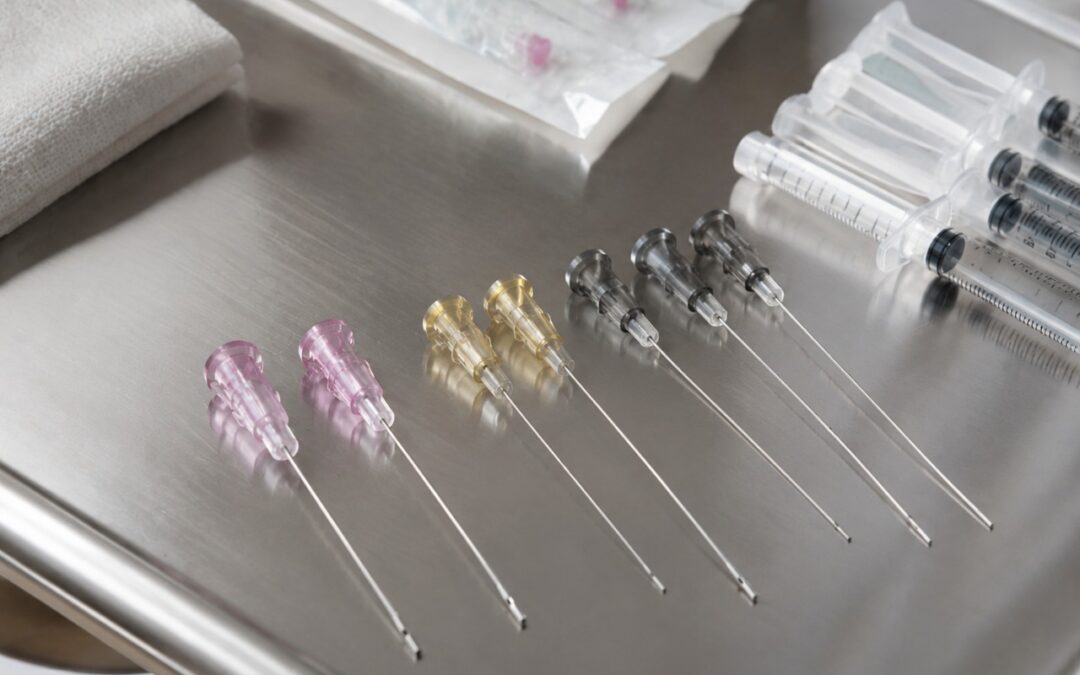
A dermal filler cannula is a flexible tube with a blunt tip that delivers filler through a side opening near the end of the device. Unlike a sharp needle that cuts through tissue, a blunt cannula is designed to move around structures such as blood vessels and connective tissue planes.
Most cannulas contain four primary components:
- Hub that connects to the syringe
- Flexible shaft
- Internal lumen where filler travels
- Side port where filler exits
This design allows an injector to place filler across a broader treatment area from a single entry point. In many cases, providers can treat larger regions with fewer punctures compared to using a needle alone.
Cannula vs Needle
The discussion around needle vs cannula continues throughout aesthetic medicine. Both tools have important roles.
A sharp needle often provides excellent precision for superficial injections and targeted bolus placement. However, a cannula for fillers may offer advantages when treating larger areas or regions with complex vascular anatomy.
Research has shown that blunt-tipped cannulas generally require greater force to penetrate an arterial wall than traditional hypodermic needles. This characteristic may help reduce the risk of intravascular injection and vascular occlusion when proper technique is used. However, no device completely eliminates risk, and anatomical knowledge remains essential.
Understanding Cannula Gauge and Length
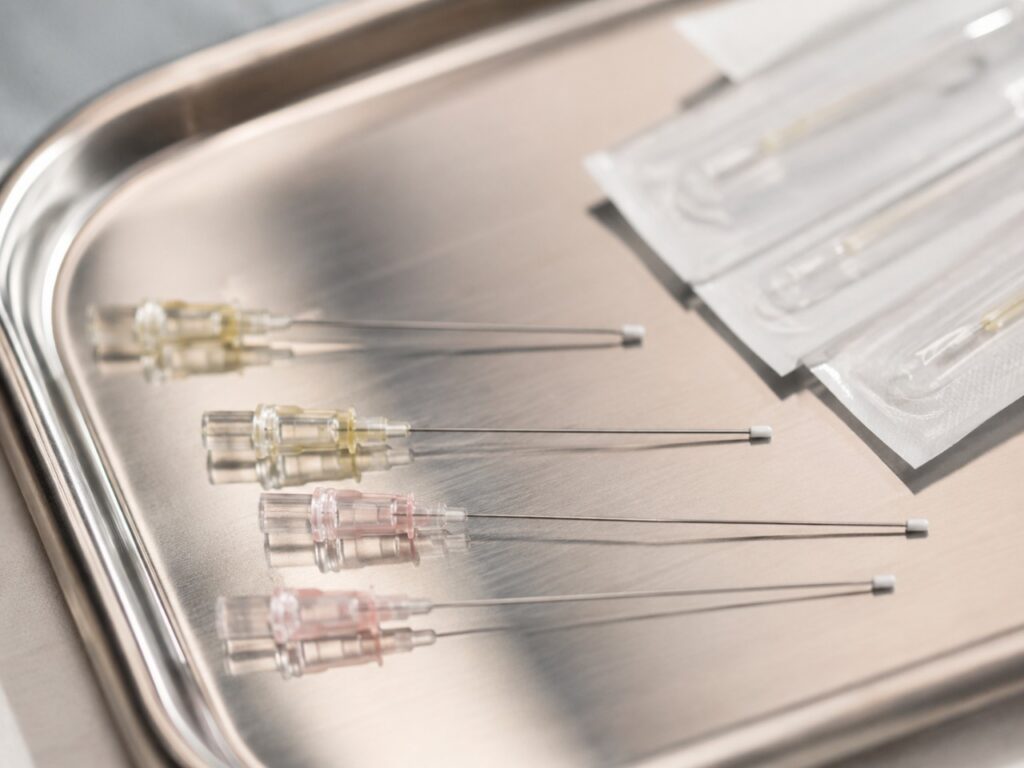
Two measurements determine how a dermal filler cannula performs during treatment: gauge and length.
What Cannula Gauge Means
Gauge refers to the diameter of the cannula. The numbering system works the opposite of what many people expect.
- 22G = larger diameter
- 25G = medium diameter
- 27G = smaller diameter
Larger-diameter cannulas typically allow thicker hyaluronic acid and tissue fillers to flow more easily. Smaller gauges often provide greater precision when treating delicate areas.
What Cannula Length Means
Length determines how much tissue you can reach from a single insertion point.
Shorter cannulas offer excellent control in smaller treatment areas. Longer cannulas may allow providers to reach broader areas from fewer entry points.
Both measurements work together. A large-gauge, long cannula may perform well for cheek augmentation, while a smaller, shorter cannula may provide better control for tear trough treatments.
Factors That Influence Cannula Selection
Several factors influence the ideal choice of cannula for a dermal filler treatment.
Treatment Area Anatomy
Each facial region has different tissue characteristics. The cheeks contain thicker tissue and deeper planes than the under-eye area. The lips contain dense vascular structures and require careful placement.
Areas with important arteries and blood vessels often benefit from treatment approaches that prioritize precision and safety.
Filler Characteristics
Not all fillers behave the same way.
High-viscosity products used for jawline contouring or cheek projection generally require larger cannulas. Softer fillers used around the eyes or lips may work better with smaller diameter cannulas.
Treatment Goals
The intended result also matters.
You may be aiming for:
- Facial contouring
- Volume restoration
- Fine line correction
- Structural support
- Skin quality improvement
Each objective may require a different combination of gauge and length.
Recommended Cannula Sizes by Treatment Area
The following table provides general guidance. Product selection, patient anatomy, and injector preference should always influence final decisions.
| Treatment Area | Common Gauge | Typical Length |
|---|---|---|
| Lips | 25G-27G | 25-38 mm |
| Tear Troughs | 25G-27G | 38-50 mm |
| Nasolabial Folds | 25G | 38-50 mm |
| Marionette Lines | 25G | 38-50 mm |
| Cheeks | 22G-25G | 50-70 mm |
| Jawline | 22G-25G | 50-70 mm |
| Chin | 22G-25G | 38-50 mm |
| Temples | 22G-25G | 50-70 mm |
Providers often prefer systems that offer multiple gauge and length combinations across different facial indications. The Elasty Micro Cannula line is available in 22G, 23G, 25G, 27G, and 30G options with lengths ranging from 25 mm to 70 mm, allowing injectors to select appropriate configurations based on treatment area anatomy, such as lips, nasolabial folds, cheeks, and clinical goals.
Choosing Cannula Gauge by Treatment Area
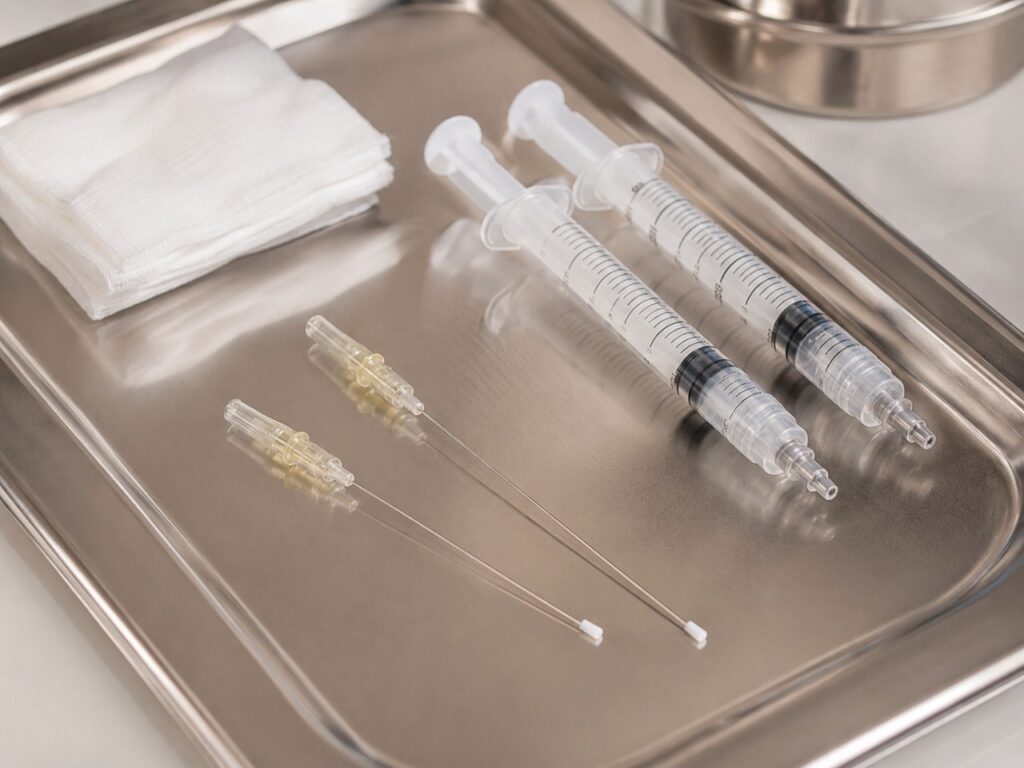
Different facial regions require different balances of flexibility, filler flow, and control.
Lips
Many providers choose a 25G or 27G cannula for lip enhancement.
The lips contain numerous blood vessels, which makes bruising a common concern. A blunt cannula may reduce the likelihood of vessel puncture compared to needles in some situations.
Smaller gauges can support:
- Lip border enhancement
- Lip body augmentation
- Improved patient comfort
- Controlled filler placement
Nasolabial Folds and Marionette Lines
Nasolabial folds and marionette lines often respond well to 25G cannulas.
These areas require enough filler flow to correct moderate folds while maintaining control. Providers frequently use linear threading or fanning techniques to achieve smooth correction.
Cheeks and Midface
Cheek augmentation typically involves deeper tissue planes and larger amounts of filler.
For this reason, many injectors prefer 22G or 25G cannulas. The larger diameter allows cohesive fillers to flow more easily and supports deeper tissue injection procedures.
Longer cannulas can also improve coverage of the midface from fewer entry points.
Jawline and Chin
Jawline contouring often requires structural support and projection.
Many practitioners select 22G or 25G cannulas because these sizes accommodate thicker fillers designed for shaping and definition.
Providers select gauge and length based on filler viscosity and anatomical goals
Temples
Temple restoration presents unique challenges due to important vascular structures in the area.
A larger gauge cannula may help improve filler flow while allowing treatment across a wider area. Providers should always maintain awareness of local anatomy regardless of device selection.
Tear Troughs
The under-eye region remains one of the most technically demanding treatment areas.
Many injectors prefer 25G or 27G cannulas because they provide control while helping minimize bruising and swelling. Thin skin and delicate anatomy require careful filler placement.
Choosing Cannula Length by Treatment Area
Length affects how much tissue can be reached from a single access point.
Short Cannulas
Short cannulas usually range from 25 mm to 38 mm.
These devices work well for:
- Lips
- Small corrections
- Localized contouring
- Precise filler placement
Shorter lengths offer excellent control but may require additional insertion points.
Medium-Length Cannulas
Medium lengths typically range from 38 mm to 50 mm.
Many injectors consider these the most versatile options because they can address multiple treatment zones while maintaining good maneuverability.
Long Cannulas
Long cannulas generally measure 50 mm to 70 mm or longer.
These sizes often perform well in:
- Cheeks
- Jawline
- Temples
- Midface volumization
Longer devices can reduce the number of entry points and allow treatment of larger regions from a single access site.
Safety Considerations When Using Cannulas

While many providers consider cannulas safer than needles in certain situations, no injection tool eliminates complications.
Understanding Vascular Anatomy
Knowledge of facial anatomy remains the foundation of safe filler treatments.
Providers must understand:
- Artery location
- Blood vessel pathways
- High-risk zones
- Injection depth
Even when using a blunt-tipped cannula, accidental vascular injection remains possible.
How Cannulas May Support Safer Injection Practices
Several studies suggest that arterial wall penetration forces in needles versus cannulas differ significantly. Blunt cannulas generally require greater force to enter a vessel than sharp needles.
This difference may reduce the likelihood of vascular occlusion compared to needles when proper technique is used.
However, injectors should never assume that a cannula guarantees safety. Slow injections, aspiration when appropriate, anatomical knowledge, and continuous patient assessment remain essential.
Common Mistakes to Avoid
Avoid these common errors:
- Selecting a cannula that is too small for the filler
- Using excessive force during advancement
- Choosing an inappropriate entry point
- Assuming cannulas cannot enter blood vessels
- Ignoring patient anatomy
Good outcomes depend on both device selection and proper technique.
Building a Practical Cannula Toolkit
Most practices do not need every gauge and length available on the market.
A practical starter inventory often includes:
- 22G x 50 mm
- 25G x 50 mm
- 25G x 38 mm
- 27G x 38 mm
These sizes can support a large percentage of facial filler procedures.
When evaluating cannulas, look for:
- Consistent manufacturing quality
- Smooth insertion characteristics
- Reliable flexibility
- Sterile packaging
- Regulatory compliance
Product quality directly affects treatment performance and provider confidence.
Frequently Asked Questions About Dermal Filler Cannulas
1. What is the best cannula gauge for cheek filler?
Many injectors use a 22G or 25G dermal filler cannula for cheek augmentation because these sizes support thicker fillers and deeper placement.
2. Which cannula length is most commonly used in facial rejuvenation?
A 50 mm cannula is one of the most versatile options because it works across several treatment areas, including the cheeks, nasolabial folds, and jawline.
3. Are cannulas safer than needles for dermal fillers?
Many studies suggest that blunt-tipped cannulas may reduce the likelihood of vascular injury compared to needles. However, no device eliminates risk completely.
4. Can the same cannula be used for multiple treatment areas?
Sometimes. However, treatment goals, filler characteristics, and anatomy often require different gauges and lengths.
5. What gauge cannula is commonly used for jawline contouring?
Many providers select 22G or 25G cannulas for jawline filler because they allow smooth delivery of more cohesive products.
6. How do I choose between 22G, 25G, and 27G cannulas?
Choose based on filler viscosity, treatment area, and desired precision. Larger fillers generally work better with 22G or 25G cannulas, while finer corrections may benefit from 27G devices.
7. What should providers look for when purchasing dermal filler cannulas?
Focus on manufacturing quality, regulatory compliance, sterility, consistency, and supplier reliability.
Choose the Right Dermal Filler Cannula for Every Procedure
Choosing the right dermal filler cannula involves more than personal preference. Gauge size, length, treatment area, filler properties, and injection goals all influence clinical outcomes.
A smaller cannula may provide greater precision for lips and tear troughs, while larger diameter cannulas often perform better for cheeks, temples, and jawline contouring. Matching the cannula to the treatment area can improve product flow, support better filler placement, and create a more comfortable experience for patients.
As cannula use continues to grow in aesthetic medicine, providers who understand anatomy, filler characteristics, and device selection can make more informed treatment decisions.
To support your practice with reliable tools, check out our cannula options from DB Medical. For product questions, gauge and length availability, or ordering support, contact our team today.