A friend gets a thread lift and pays $1,800. Another person gets what sounds like the same treatment and pays over $4,000. So what happened?
If you’re considering a thread lift, you’ve probably noticed that pricing seems to be all over the place. One clinic advertises a low thread lift price, while another quotes a much higher number. It can leave you wondering whether you’re paying too much, getting too little, or missing something important.
The truth is, thread lift cost depends on much more than the procedure itself. The treatment area, number of threads used, type of threads, provider experience, and product quality all play a role. A thread lift is a minimally invasive procedure, but it is still a medical treatment that requires planning, skill, and appropriate materials.
Understanding what affects the cost of a thread lift can help you make a smarter decision. Instead of focusing only on price, you can evaluate what you’re actually getting for your investment and whether the treatment offers meaningful value for your goals.
What You’ll Learn
- Average thread lift cost ranges and why prices vary
- How the treatment area affects overall cost
- Why the type of threads used matters
- The relationship between thread quantity and pricing
- How provider expertise influences treatment value
- Additional costs patients should consider
- How to determine whether a PDO thread lift is worth the investment
What Is a Thread Lift?
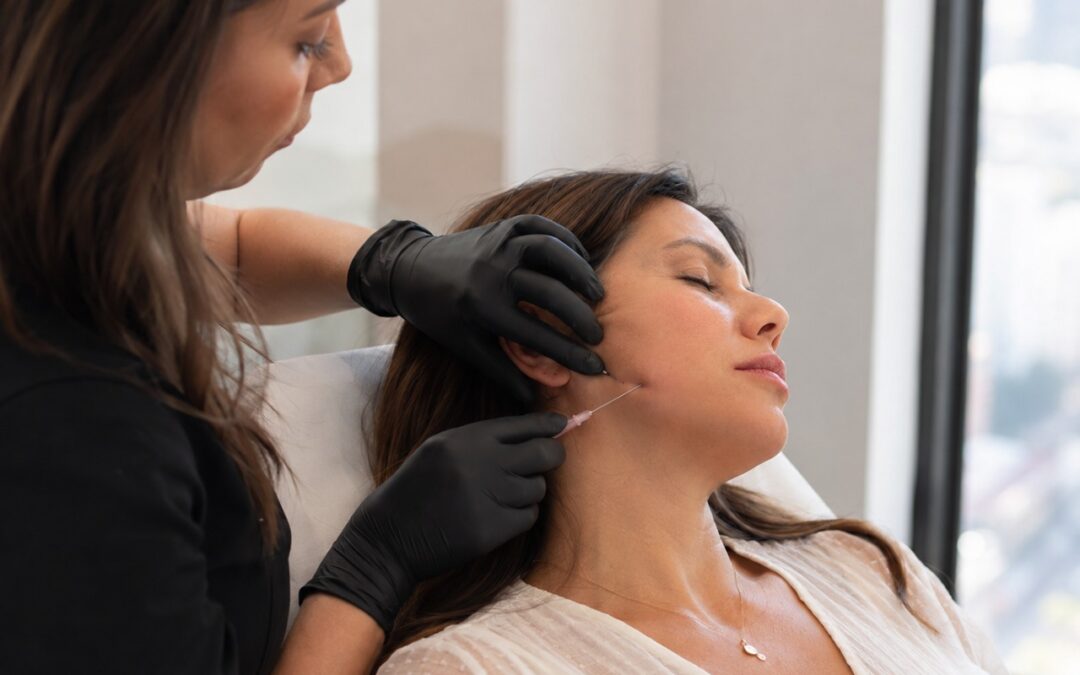
A thread lift is a minimally invasive procedure that uses dissolvable sutures to lift and support tissue beneath the skin while encouraging collagen production. Unlike a traditional facelift, the procedure typically involves less downtime and a shorter recovery period. According to Healthline, treatment costs can vary considerably based on the areas treated and the extent of correction required.
Most modern thread lift procedures use PDO threads, short for polydioxanone. This material has been used in absorbable surgical sutures for decades and has a strong safety history when used appropriately by trained medical professionals. Premium PDO thread systems, such as Miracu PDO Threads, are designed to support different lifting and collagen-stimulation goals depending on the treatment plan.
When PDO threads are placed for cosmetic use, they support tissue while dissolving naturally over time, and the body continues producing new collagen around the treatment area. This process can help improve skin firmness, texture, and support.
Many patients choose PDO thread lifts because they want noticeable improvement without undergoing plastic surgery. While a thread lift cannot replace a surgical facelift, it can help address mild to moderate sagging and create a more youthful appearance with minimal downtime.
Common Treatment Areas
Different areas of the face and body require different treatment approaches.
Providers commonly perform thread treatment in the following areas:
- Midface and cheeks
- Jawline and jowls
- Neck and jawline
- Brow area procedures
- Nasolabial folds
- Marionette lines
- Lower face
- Face and neck combination treatments
The area treated significantly influences the number and type of threads required, which directly affects pricing.
How Much Does a Thread Lift Typically Cost?
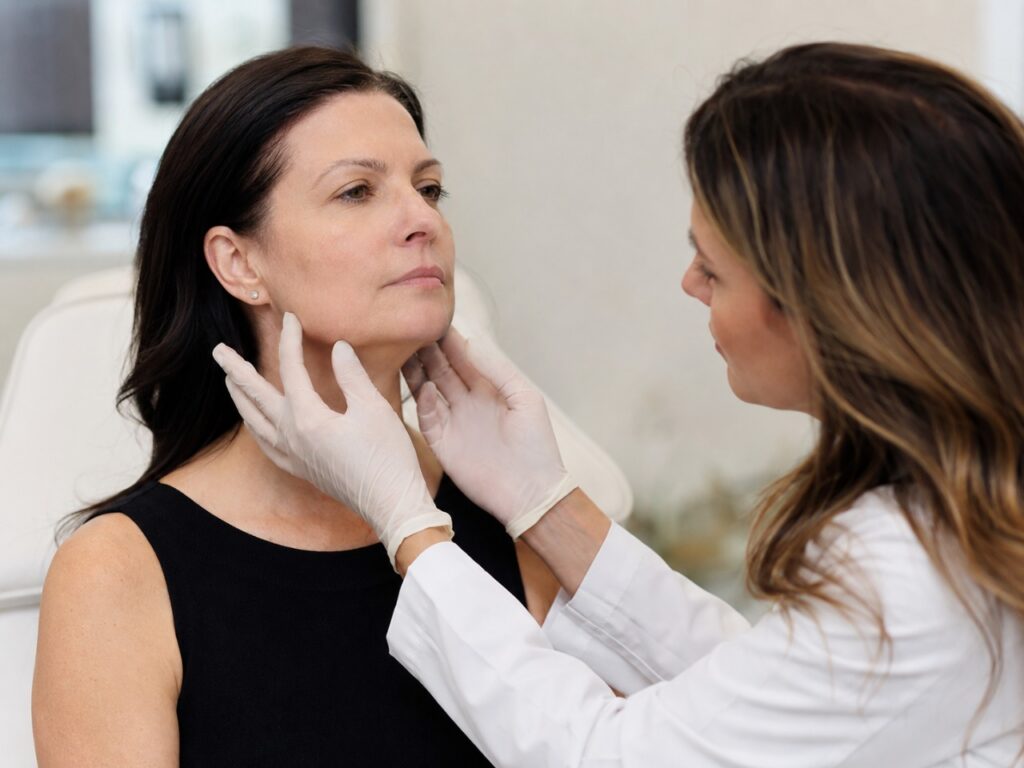
Thread lift cost varies widely across the United States.
Most patients can expect the cost of a thread lift to range from approximately $1,500 to $5,000 or more, depending on treatment complexity. Smaller treatments involving a limited number of threads generally cost less than full face and neck procedures.
There is no universal thread lift price because every treatment plan is customized. Some patients need only a few PDO threads to improve mild sagging. Others require cog threads and more extensive support throughout multiple areas of the face.
Many practices structure pricing differently. Some charge by treatment area. Others base fees on the number of threads used. Some providers include consultation fees and follow-up visits in the quoted price, while others bill separately.
Typical Cost by Treatment Area
| Treatment Area | Typical Cost Range |
|---|---|
| Brow Lift | $1,500 – $2,500 |
| Jawline | $2,000 – $3,500 |
| Midface and Cheeks | $2,000 – $4,000 |
| Neck | $2,500 – $4,500 |
| Face and Neck | $3,500 – $6,000+ |
Costs vary by provider, location, thread type, and treatment complexity.
Why Online Price Comparisons Can Be Misleading
Many online advertisements focus on the lowest possible lift price.
Unfortunately, those numbers rarely tell the full story.
One provider may include six threads, while another may include twelve. One clinic may use cog threads while another uses Mono (non-barbed) threads designed primarily for collagen stimulation. The number and type of threads used can dramatically change both results and overall cost.
Geographic location also plays a role. A provider in Los Angeles, Miami, or New York typically faces different operating costs than a provider in a smaller market.
The Biggest Factors That Influence Thread Lift Pricing
Several factors contribute to the final cost of a PDO thread lift procedure.
Treatment Area and Complexity
Small localized corrections generally require fewer resources than full-face rejuvenation.
For example, treating mild jowls may require fewer threads than lifting the cheeks, jawline, and neck simultaneously. Multi-area procedures demand more planning, more product, and more treatment time.
Anatomy also matters. Patients with thicker tissue or more advanced sagging often require a more involved approach.
Degree of Tissue Laxity
The amount of sagging skin plays a major role in treatment planning.
Mild laxity may respond well to the Mono thread approach focused on collagen stimulation. Moderate tissue descent often requires stronger support using the cog threads.
Patients with significant laxity may not be ideal candidates for a non-surgical facelift. In those cases, a provider may discuss whether plastic surgery would produce a more predictable outcome.
Number of Threads Used
The number of threads required directly affects treatment cost.
Every thread carries manufacturing, packaging, sterility, and clinical placement costs. More threads generally increase the total price.
That said, more is not always better.
A well-designed treatment plan focuses on achieving the desired outcome while avoiding unnecessary product use. The goal is to create natural support, not simply maximize thread count.
How Thread Type Affects Cost
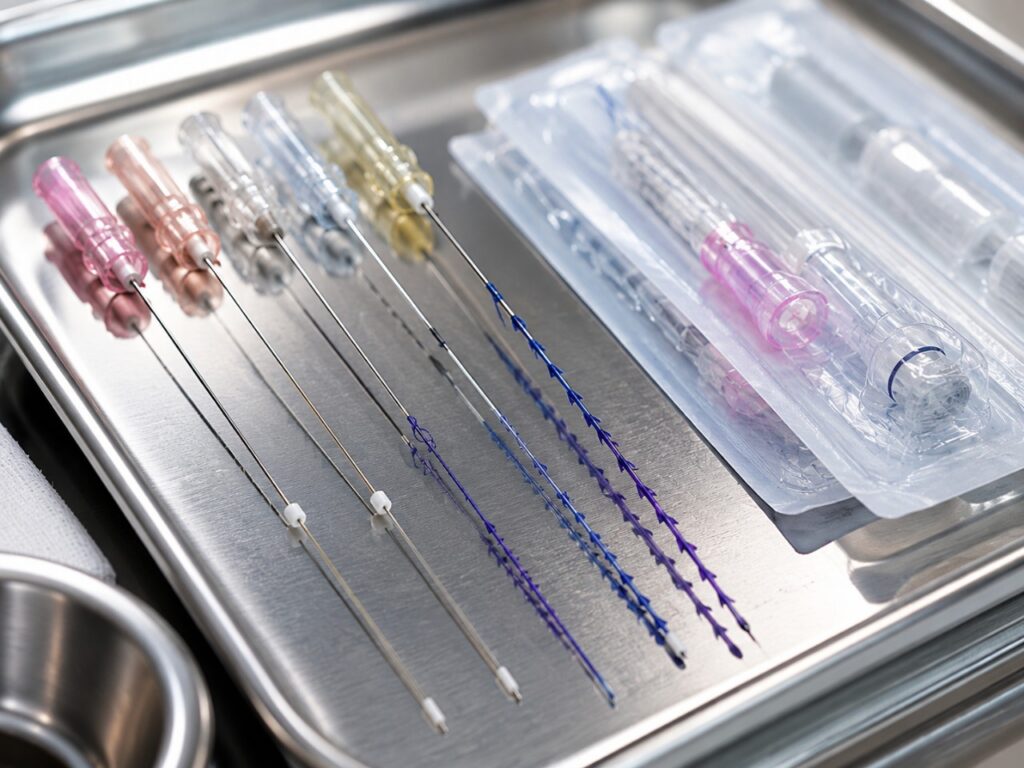
Not all PDO threads work the same way.
Different thread types serve different purposes, which affects both treatment planning and pricing. Research published in the Journal of Cosmetic Dermatology reports that PDO thread lifts work through both mechanical tissue support and stimulation of new collagen formation. The review also notes that different thread designs, including mono and cog threads, serve different clinical purposes and require individualized treatment planning.
Mono Threads and Skin Rejuvenation Treatments
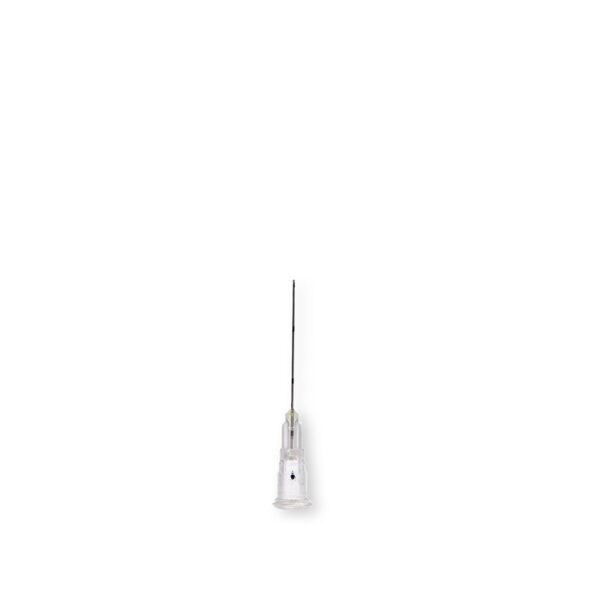
Mono threads are smooth, dissolvable threads designed primarily to stimulate collagen production.
Rather than mechanically lifting tissue, mono threads create a collagen-building framework beneath the skin. Over time, this can improve texture, elasticity, and skin quality.
Mono thread treatments often involve a larger quantity of threads, but may cost differently than lifting procedures because the treatment goals are different.
Cog (barbed) Threads
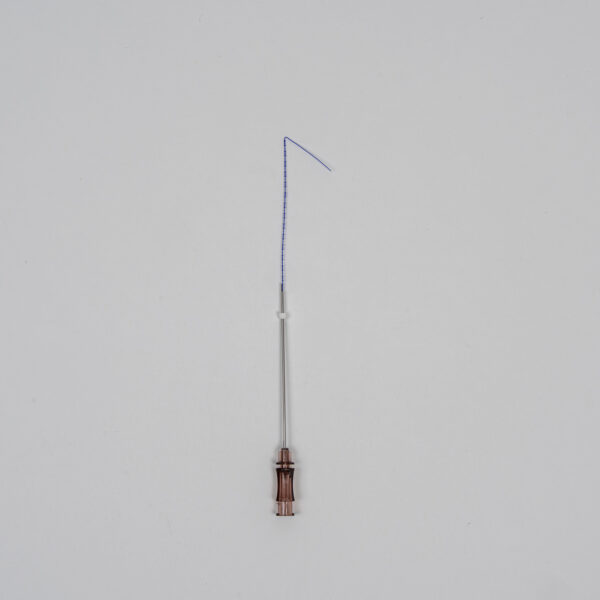
Cog threads contain small barbs that engage tissue.
These barbs allow the thread to provide soft tissue approximation after placement. Cog threads are commonly used to lift sagging skin in the cheeks, jawline, and lower face.
Because they provide stronger structural support, cog thread procedures often require greater technical skill and more detailed planning.
Advanced Lifting Threads and Enhanced Support Designs
Advanced thread systems include specialized designs intended to improve fixation and traction.
These threads may feature:
- Deep bi-directional cogs
- High tensile strength construction
- Anchor-assisted fixation
- Specialized thread geometry
Advanced thread engineering often contributes to higher thread-treatment costs due to manufacturing complexity and product-development requirements.
Why Thread Technology Matters
Thread quality can influence treatment consistency and performance.
Before discussing specific thread designs, it’s important to understand why manufacturing methods matter.
Manufacturing Methods and Product Quality
PDO threads undergo a detailed manufacturing process that affects their strength, flexibility, and structural integrity.
Some thread systems use advanced production methods designed to preserve thread characteristics and improve fixation performance.
Maintaining thread integrity throughout production helps support predictable handling during treatment and consistent product quality.
Examples of Advanced PDO Thread Technologies
Several advanced PDO thread systems have been developed to address different lifting goals.
Forte Basic
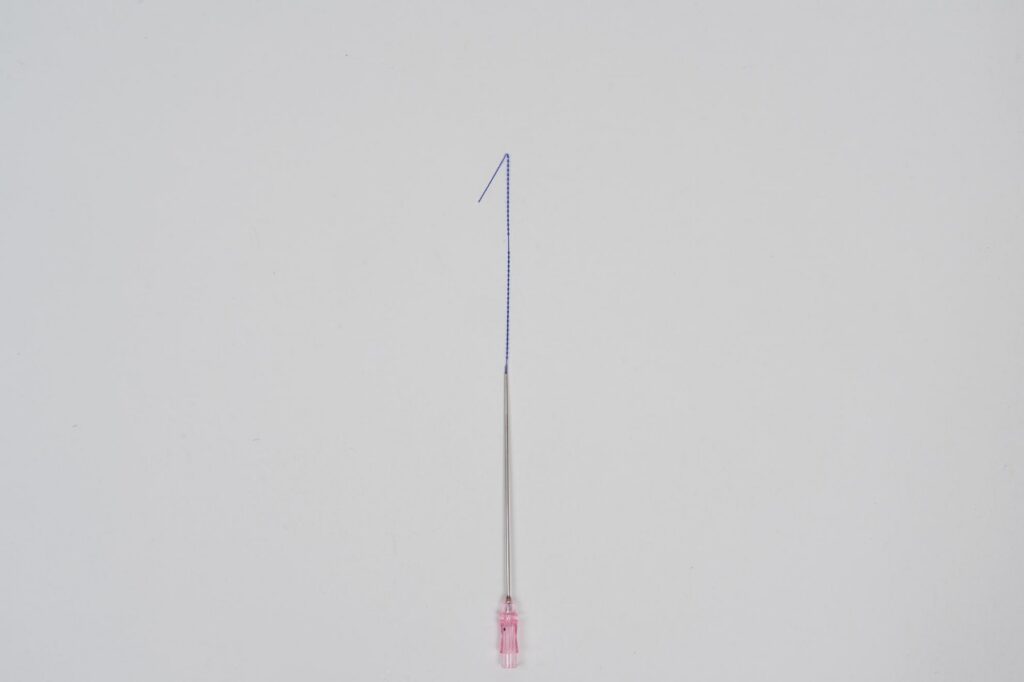
Forte Basic uses heatless press sculpting technology and bi-directional cogs designed for tissue fixation. The manufacturing process helps maintain thread structure without heat treatment, which may support longer-lasting thread characteristics.
Forte Fix
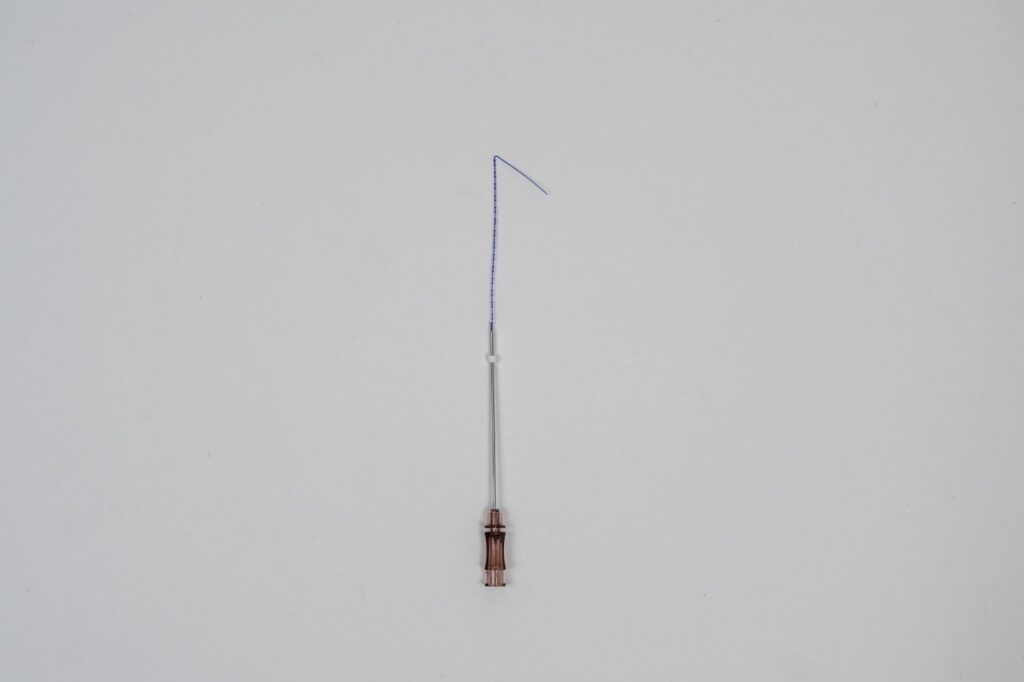
Forte Fix incorporates four-dimensional multi-bi-directional blocking technology. This design focuses on traction and fixation for patients who require greater structural engagement during soft tissue approximation procedures.
Elasty Line
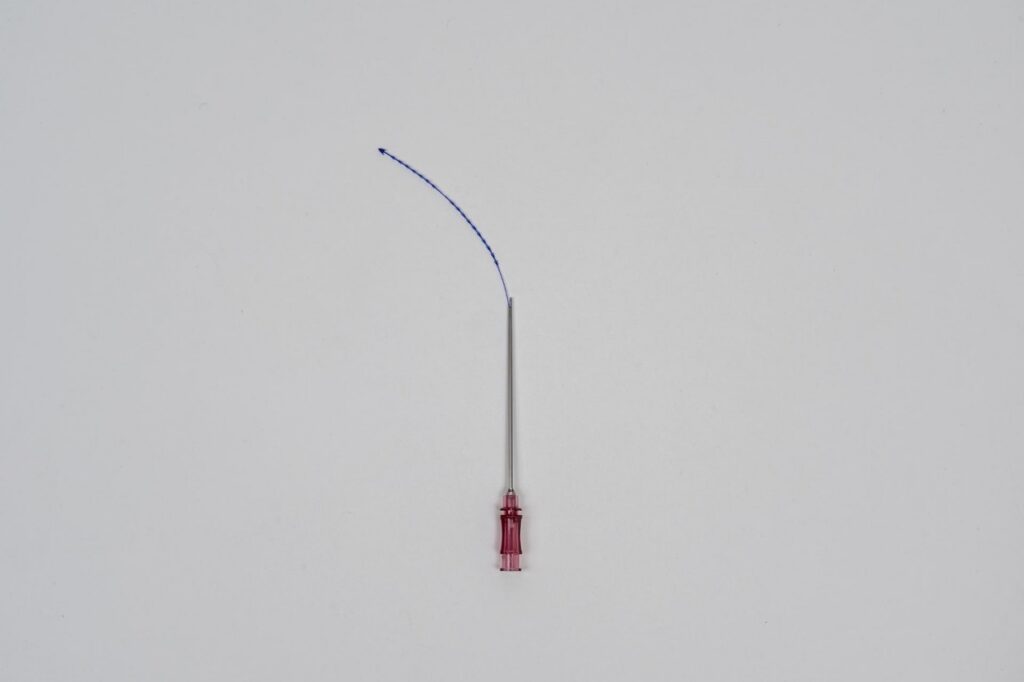
Elasty Line features high-tensile-strength PDO construction, dual-coating technology, and deep bi-directional cogs. The design also incorporates anchor-assisted fixation intended to support precise placement and tissue engagement.
Why Premium Threads May Command Higher Pricing
Premium threads often reflect years of product development, manufacturing controls, and quality testing.
Higher pricing may be associated with:
- Advanced engineering
- Specialized manufacturing methods
- Quality assurance systems
- Sterility requirements
- Regulatory compliance
For providers, thread quality can influence confidence in product performance. For patients, it contributes to treatment value and safety.
Provider Expertise and Geographic Location
The provider performing your procedure plays a major role in treatment success.
The Impact of Injector Experience
Thread treatments require detailed knowledge of facial anatomy and tissue support.
Experienced providers understand:
- Patient selection
- Thread placement strategies
- Anatomy considerations
- Risk management
- Expected outcomes
This expertise often affects pricing, but it can also influence safety and patient satisfaction.
Practice Location and Market Conditions
Location affects operating costs.
Practices in larger metropolitan areas often face higher rent, staffing expenses, and business overhead. Those costs frequently influence procedure pricing.
When comparing providers, focus on qualifications, experience, and product quality rather than location alone.
Additional Costs Patients Should Consider
The thread treatment itself may not be the only expense.
Consultation Fees
Some clinics charge consultation fees, while others include them as part of treatment. Many practices apply consultation costs toward treatment if you proceed with the procedure.
Combination Treatments
Patients often combine thread treatments with:
- Dermal filler
- Neuromodulators
- Collagen stimulators
- Skin tightening treatments
These additions can increase the overall cost but may improve overall results.
Maintenance Treatments and Long-Term Planning
PDO threads dissolve over time.
Many patients choose periodic maintenance treatments to support continued collagen production and preserve results.
Discuss long-term expectations during your consultation so you understand future costs.
Frequently Asked Questions About Thread Lift Cost
1. How much does a thread lift typically cost in the United States?
Most thread treatment procedures range from approximately $1,500 to $5,000 or more, depending on the treatment area, number of threads used, and provider experience.
2. Why do some thread lift providers charge significantly more than others?
Pricing differences often reflect provider expertise, treatment complexity, thread technology, geographic location, and product quality.
3. Does using more threads always produce better results?
No. The best results come from proper treatment planning, not simply increasing the number of threads.
4. Are PDO thread lifts less expensive than facelift surgery?
Yes. A PDO thread treatment typically costs less than a traditional facelift because it does not require surgery, hospital facilities, or general anesthesia.
5. How can patients determine whether a thread lift offers good value?
Look at the entire treatment plan. Consider provider qualifications, thread quality, safety protocols, expected outcomes, and follow-up care rather than focusing solely on price.
6. What should providers look for when selecting PDO thread products?
Providers should evaluate product quality, manufacturing standards, sterility, regulatory documentation, traceability, and supplier reputation.
Choose Quality PDO Threads for Better Treatment Value
Thread treatment cost depends on several factors, including the treatment area, degree of sagging skin, number of threads required, thread technology, provider experience, and product quality.
The lowest thread lift price does not always represent the best value. A well-planned treatment using high-quality PDO threads and performed by a qualified provider can help support safer procedures and more predictable outcomes.
For medical professionals looking to offer PDO thread treatments, choosing reliable, high-quality thread systems is equally important. DBM Corp USA provides advanced PDO thread solutions designed to support a wide range of tissue support and rejuvenation procedures.
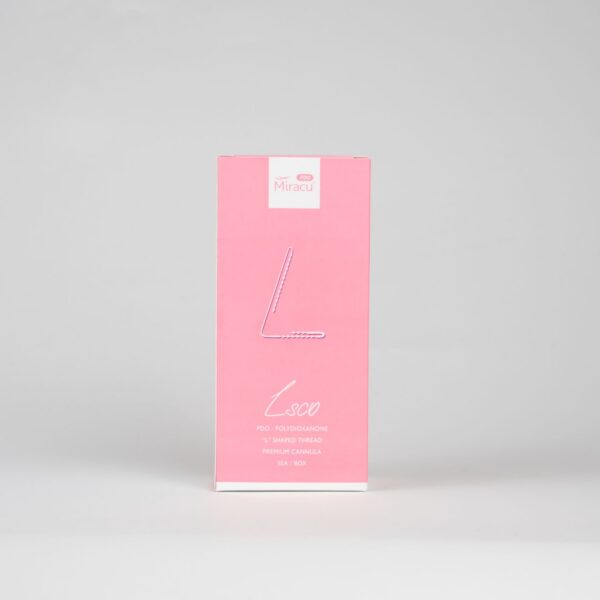
Explore our Miracu PDO threads to learn more about Forte Basic, Forte Fix, Elastic Line, and Mono Threads, or contact our team for product information, training support, and guidance on selecting the right thread solutions for your practice.

![Mono Screw [100 Units/Box]](https://dbmcorpusa.com/wp-content/uploads/2026/07/miracu-screw-1-600x600.jpg)