
More hair in the shower can make you panic. You spot strands on your pillow, check your part in the mirror, and start searching for the best vitamins for hair loss.
A hair supplement may seem like the obvious solution. But here’s the problem: vitamins may help when a nutritional deficiency affects your hair growth cycle, but they cannot fix every cause of hair loss. Genetics, autoimmune disease, hormonal changes, medication, illness, and scalp inflammation often need a different response.
The right first step is to find out why you are experiencing hair loss. From there, you can correct any deficiency, protect your scalp, reduce breakage, and choose products that match your actual needs.
This guide explains the role of vitamins and minerals in hair health, when supplements may help, and when they probably won’t. You will also learn how Viviscal PRO can fit into a complete hair care routine.
This article provides general education. It does not replace an examination, laboratory testing, diagnosis, or treatment from a qualified healthcare professional.
What You’ll Learn
- How nutrition supports the hair growth cycle
- Which nutritional deficiencies may cause hair shedding
- When hair growth vitamins may help
- Why supplements cannot treat all types of hair loss
- How healthcare professionals assess thinning hair
- Why taking too much of certain vitamins can cause harm
- How Viviscal PRO may support healthier hair
How Nutrition Supports the Hair Growth Cycle
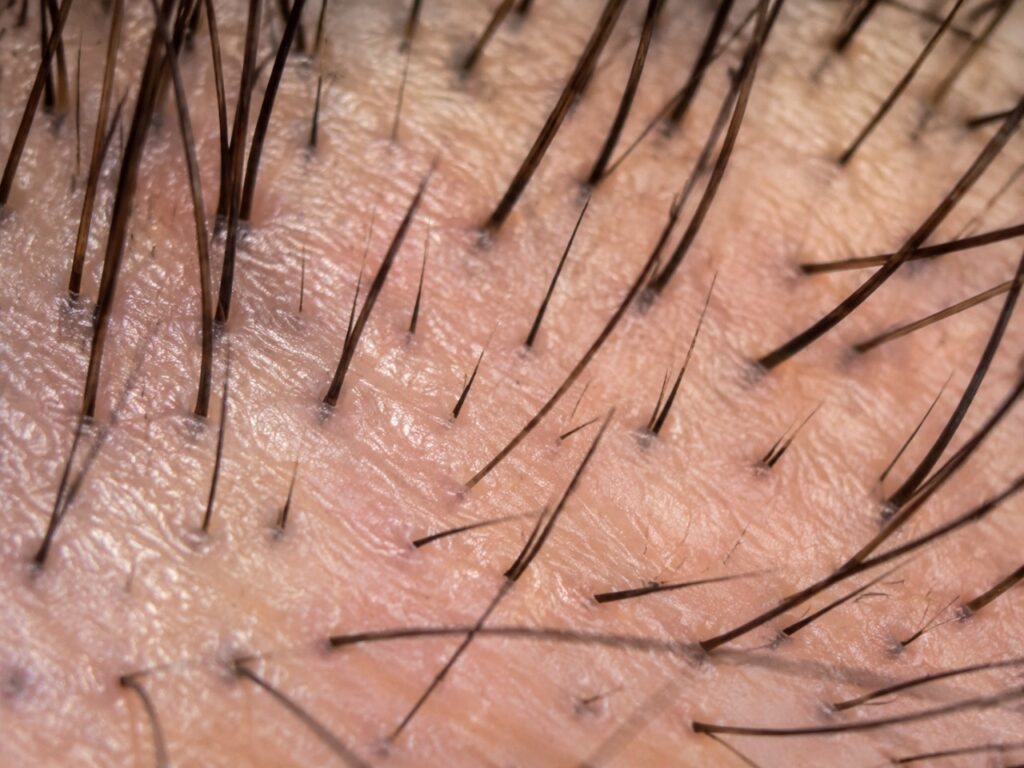
Hair may look simple, but every hair follicle follows a complex biological cycle. Food provides the energy, protein, vitamins, and minerals that keep this process working normally.
What an Active Hair Follicle Needs
Hair follicle cells divide quickly during the active growth stage. These cells need enough calories, amino acids, oxygen, vitamins, and minerals to produce new hair.
Protein supplies amino acids that your body uses to make keratin, the main structural protein in hair. Iron helps red blood cells carry oxygen to your follicles. Vitamin C supports collagen production and helps your body absorb iron from plant foods. Zinc contributes to cell division, tissue repair, and protein production.
These nutrients support hair, skin, and nails as part of normal body function. They do not force inactive or permanently damaged follicles to grow. Taking more than your body needs will not automatically increase hair growth or produce thicker hair.
How Dietary Shortfalls Can Affect Hair Growth
Your body may respond to a sharp drop in calories or protein by directing resources toward essential organs. More follicles may then leave the growth stage and enter the resting stage.
This change can lead to telogen effluvium, a common form of temporary hair shedding. It can happen after rapid weight loss, a restrictive diet, major surgery, childbirth, severe illness, or intense emotional stress.
The shedding often starts two or three months after the trigger. Hair may fall from across the scalp rather than from one defined area. That pattern differs from gradual male or female pattern hair loss, which often affects the temples, crown, or part line.
Why Hair Regrowth Takes Time
Hair grows in cycles. Each follicle moves through an active growth stage, a short transition stage, a resting stage, and a shedding stage.
Correcting a deficiency does not create instant hair regrowth. A resting follicle needs time to begin producing a new strand. You may need several months before you notice less shedding, new hair, or a change in hair thickness.
Results depend on the cause, the length of time you have experienced hair thinning, and the condition of your follicles. No vitamin can guarantee faster hair growth or complete hair restoration.
Nutrient Deficiencies Linked to Hair Loss

Several nutritional deficiencies can lead to thinning hair. Testing and medical history help separate a genuine shortfall from the assumption that every hair problem needs more vitamins.
Iron and Ferritin
Iron helps your blood carry oxygen throughout the body. Low iron stores may affect healthy hair growth and contribute to diffuse hair loss, especially when iron deficiency progresses to anemia.
Heavy menstrual bleeding, pregnancy-related depletion, gastrointestinal blood loss, restrictive eating, and low intake of iron-rich foods can increase your risk. Women with hair loss may need a complete blood count, ferritin test, and other iron studies when their medical history suggests a shortfall.
Do not start iron supplements just because your hair sheds. Excess iron can damage organs and interact with medications. An accidental overdose can also cause fatal poisoning in young children. The National Institutes of Health Office of Dietary Supplements provides more information about iron intake and toxicity.
Vitamin D
Vitamin D plays an important role in immune function and hair follicle biology. Researchers have found low vitamin D levels in some patients with hair loss, including people with alopecia areata and pattern hair loss.
That connection does not mean vitamin D supplements will grow hair in everyone. Evidence for hair improvement remains mixed, and supplements rarely solve thinning when vitamin D levels already fall within an appropriate range.
A clinician can order a serum 25-hydroxy vitamin D test if your symptoms or medical history point to possible vitamin D deficiency. If your result shows hair loss and low vitamin D, your clinician can recommend a dose based on your individual needs.
Zinc
Zinc supports cell division, protein synthesis, immune function, and tissue repair. These processes contribute to the health of your hair and scalp.
Malabsorption, bariatric surgery, restrictive diets, and certain medical conditions may reduce zinc levels. A confirmed deficiency can lead to thinning hair and other symptoms.
Too much zinc can cause nausea, appetite loss, headaches, and copper deficiency. Review the amount in every dietary product before combining zinc with a multivitamin or hair supplement.
Biotin and Other B Vitamins
Biotin is a B vitamin often included in products for hair, skin, and nails. A true biotin deficiency can cause hair loss, but this condition remains uncommon among people who eat a balanced diet.
Certain inherited disorders, prolonged raw egg white consumption, alcohol use disorder, and some medications may raise the risk of biotin deficiency. In those cases, biotin supplements may be helpful under professional guidance.
Evidence does not strongly support high-dose biotin for people who already receive enough from food. Biotin can also interfere with some thyroid, hormone, and cardiac tests. The U.S. Food and Drug Administration warns that this interference can produce incorrect laboratory results.
Tell your doctor and laboratory staff about every supplement you take. Do not stop taking vitamins before a blood test unless your healthcare professional gives you specific instructions.
Vitamin C, Vitamin E, and Protein
Vitamin C supports collagen production and helps your body absorb nonheme iron from plant foods. Protein supplies the amino acids your body needs to make keratin.
A restrictive diet, poor food intake, digestive condition, or rapid weight loss may reduce the nutrients available to your follicles. Correcting those shortfalls can support overall hair health.
Vitamin E contributes to antioxidant activity, but evidence for hair growth remains limited when a deficiency does not exist. Excessive vitamin E may also increase bleeding risk in some people. Taking vitamin C, vitamin E, or protein powder will not improve hair growth if your diet already provides enough.
When Vitamins for Hair Growth May Help

Hair vitamins have the clearest purpose when a dietary shortfall affects normal follicle function. Your symptoms, medical history, diet, examination, and test results should guide the decision.
A Test Confirms a Nutritional Deficiency
Correcting a confirmed iron, vitamin D, zinc, biotin, or other nutrient deficiency may reduce deficiency-related shedding. It may also support the return of a normal hair growth cycle.
Your healthcare professional should interpret blood results alongside your symptoms. A low result does not always prove that the deficiency caused your hair loss, and a normal result does not guarantee that a hair supplement will improve hair volume.
Targeted supplementation usually makes more sense than taking several high-dose products. It gives you the nutrient you need without adding unnecessary ingredients.
Your Diet or Digestion Raises Your Risk
Vegan and vegetarian diets can support healthy hair, but they require suitable sources of protein, iron, vitamin B12, zinc, and other nutrients. Eating disorders, food insecurity, bariatric surgery, and gastrointestinal conditions may also affect nutrient intake or absorption.
A registered dietitian or healthcare professional can review what you eat and recommend the right supplements when needed. This approach also reduces the chance of taking duplicate ingredients.
Shedding Starts After Illness, Surgery, or Weight Loss
Telogen effluvium can cause widespread hair shedding after illness, surgery, childbirth, emotional stress, or rapid weight loss. The shedding may not start until several months after the original event.
Adequate calories, protein, and micronutrients can support recovery when poor nutrition contributed to the problem. Still, nutrition cannot remove every trigger. Hair shedding may continue for several months while the follicles return to their normal cycle.
A Supplement Supports a Larger Hair Care Plan
Hair growth supplements can work alongside balanced nutrition, gentle styling, scalp care, and treatment for a diagnosed condition. They should not replace those steps.
Match your expectations to the cause. A deficiency, genetic condition, autoimmune disease, and damaged hair shaft each require a different plan.
When Hair Vitamins Will Not Solve the Problem
Healthy eating supports your body, but it does not prevent every type of hair loss. An accurate diagnosis matters because supplements cannot correct all biological causes.
Male and Female Pattern Hair Loss
Androgenetic alopecia is the most common type of hair loss in men and women. It occurs when inherited factors cause susceptible follicles to shrink. Those follicles gradually produce shorter and finer strands.
Vitamins and minerals for hair cannot remove this genetic sensitivity. Early diagnosis can help you discuss medical and procedural options before thinning becomes more advanced.
A dermatologist can determine whether you have male or female pattern hair loss. Treatment may include topical or prescription medications, depending on your health, diagnosis, and treatment goals.
Alopecia Areata and Autoimmune Hair Loss
Alopecia areata often causes smooth, round patches of sudden hair loss. Autoimmune activity causes the body to attack the follicles.
Vitamins cannot replace dermatologic care for this condition. A dermatologist may examine your scalp and nails, use magnification, or order tests to rule out related medical concerns.
Scarring Alopecia and Scalp Inflammation
Pain, burning, pustules, heavy scale, shiny skin, or disappearing follicular openings may point to scalp inflammation or scarring alopecia.
Seek medical care promptly if you notice these changes. Some scarring conditions can permanently damage follicles. Hair growth supplements cannot restore a follicle after scar tissue replaces it.
Hormonal, Thyroid, Medication, and Medical Causes
Thyroid disorders, postpartum hormonal changes, menopause, polycystic ovary syndrome, severe illness, cancer treatment, and some medications can cause hair loss.
Treating the underlying trigger gives you a better chance of improving hair health. Do not stop prescribed medication because you suspect it causes shedding. Ask the clinician who prescribed it to review your symptoms and options.
Hair Breakage Rather Than Follicle Loss
Bleaching, chemical treatments, frequent heat, tight hairstyles, extensions, friction, and rough brushing can weaken the hair shaft. The strands break, making your overall hair look thinner.
Conditioner, serum, and careful styling may improve hair texture and reduce further breakage. These products can make hair look fuller, but they cannot treat a medical cause of follicular loss.
How Healthcare Professionals Evaluate Hair Loss
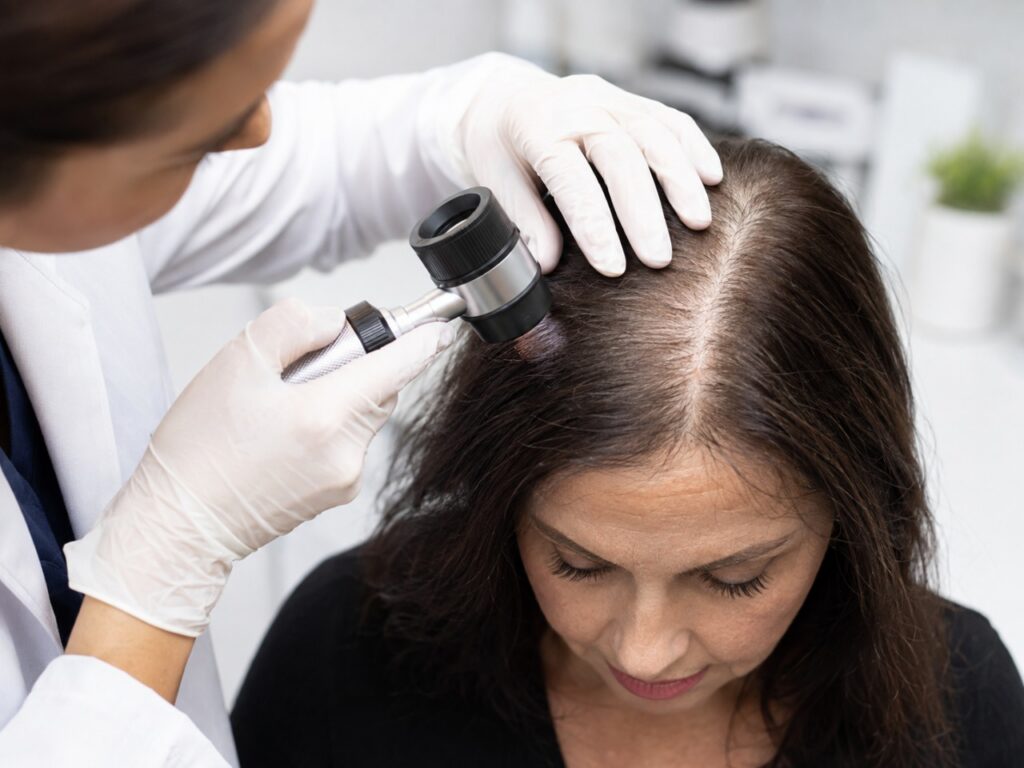
A proper assessment looks at the full story. Your clinician will consider how the loss started, where it occurs, and what else changed around the same time.
Medical and Dietary History
Your healthcare professional may ask about recent illness, surgery, childbirth, stress, weight loss, medications, family history, menstrual bleeding, and eating habits.
Bring a list of every medication and supplement you use. This helps your clinician spot possible side effects, duplicate ingredients, and excessive nutrient intake.
Scalp and Hair Examination
A clinician may check your scalp for redness, scale, scarring, broken hairs, and changes in follicular openings. The distribution of thinning can also help identify pattern hair loss, alopecia areata, telogen effluvium, or traction-related loss.
Standardized photographs can track your part width, hairline, and visible scalp over time. Use similar lighting, styling, and camera angles for each photo.
Laboratory Testing Based on Your Risk
Not every patient needs the same tests. Your clinician should select them according to your symptoms, health history, diet, and examination.
| Possible concern | Test or information a clinician may consider | Why it matters |
|---|---|---|
| Iron deficiency | CBC, ferritin, iron studies | Low iron stores may contribute to diffuse shedding |
| Vitamin D deficiency | Serum 25-hydroxy vitamin D | Shows whether replacement may be appropriate |
| Thyroid disorder | TSH and related thyroid tests | Thyroid changes may affect the hair growth cycle |
| Nutritional shortfall | Dietary review and selected tests | Helps identify a specific deficiency |
| Hormonal concern | Individual endocrine assessment | May uncover a nonnutritional cause of thinning |
The American Academy of Dermatology explains that dermatologists may use blood testing or a scalp biopsy when they suspect disease, infection, hormonal changes, or nutritional deficiencies.
Signs That Need Prompt Medical Attention
Contact a qualified healthcare professional if you develop:
- Sudden patchy hair loss
- Rapid or severe shedding
- Scalp pain, burning, sores, pustules, or heavy scale
- Loss of eyebrows or eyelashes
- Hair loss with fatigue, weight change, or menstrual changes
- Shedding that continues or becomes worse
Can Too Many Vitamins Cause Hair Loss?
Taking vitamins without a clear reason can create new problems. Your body needs certain vitamins and minerals, but excessive amounts may cause side effects or toxicity.
Nutrients That Can Cause Harm in High Doses
Excess vitamin A and selenium can cause hair loss. Too much zinc can interfere with copper absorption. High vitamin D intake can raise calcium to unsafe levels. Iron overdose can damage organs and become life-threatening.
A recommended dietary allowance describes how much most healthy people need. It does not serve as a treatment dose. Your healthcare professional may recommend a different amount when testing confirms a deficiency.
Watch for Duplicate Ingredients
A multivitamin, hair supplement, protein drink, and fortified food may contain the same nutrients. Combining them can push your daily intake above appropriate levels.
Read every Supplement Facts label. Compare serving sizes and total daily amounts, especially for iron, vitamin A, vitamin D, vitamin E, selenium, zinc, and biotin.
Tell Your Clinician About Biotin
Biotin can interfere with certain laboratory tests and produce results that appear falsely high or low. This issue can affect thyroid, hormone, and some cardiac tests.
Tell your doctor and laboratory staff that you take biotin before testing. Let them decide whether you need to pause it and how long you should wait.
Review Hair Supplements Carefully
Check these details before starting an oral supplement:
- Full ingredient list and dose
- Fish, shellfish, or other allergens
- Medication interactions
- Pregnancy and age restrictions
- Iron content
- Storage instructions
- Independent testing or manufacturing information
Follow the label and do not exceed the recommended intake. Dietary supplements do not diagnose, treat, cure, or prevent disease.
Where Viviscal PRO Fits Into Hair Wellness
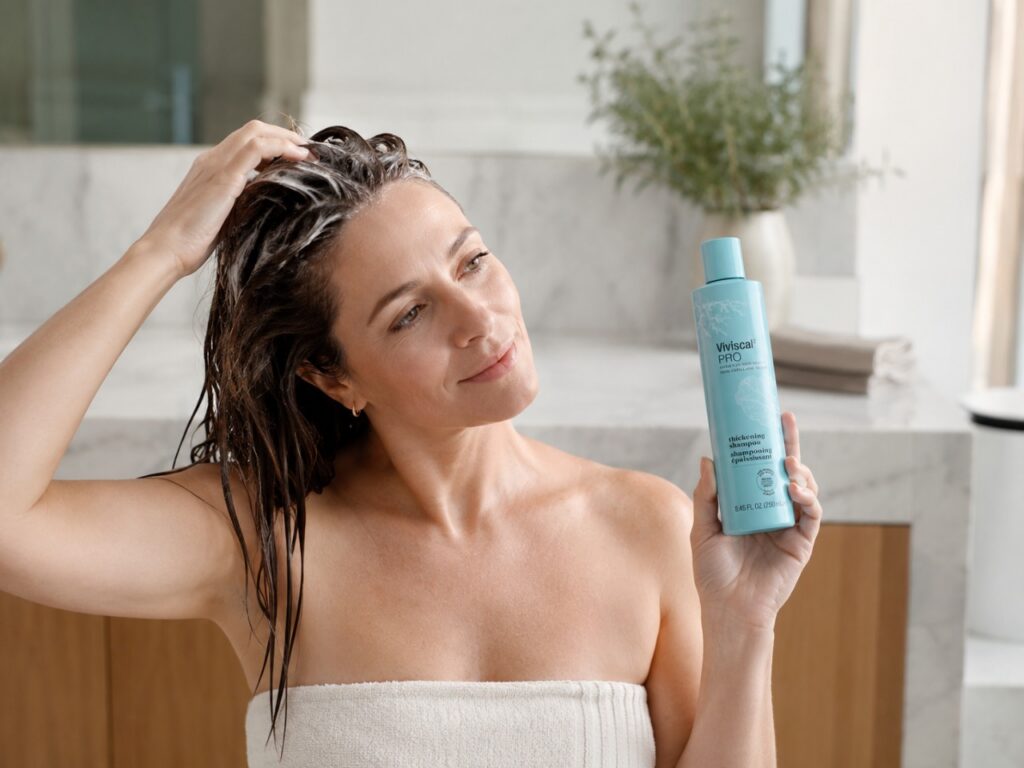
Viviscal PRO provides an inside and outside routine for eligible adults. The system combines an oral hair supplement with daily products that support cleansing, conditioning, breakage care, and cosmetic hair volume.
Viviscal PRO Hair Growth Supplement
The Viviscal PRO Hair Growth Supplement contains AminoMar marine complex, apple extract, biotin, vitamin C, L-cystine, and L-methionine.
The 180-tablet box provides a three-month supply when taken as directed. Take one tablet in the morning and one in the evening with water after food. Do not exceed the recommended daily intake.
Studies have examined the efficacy of an oral supplement in women with self-perceived thinning hair. Still, no study can predict an individual result. Hair loss has many causes, and results vary from person to person.
Daily Shampoo and Conditioner
The Viviscal PRO Thickening Shampoo and Viviscal PRO Strengthening Conditioner contain Ana:Tel with biotin, marine collagen, and keratin.
The shampoo cleanses the hair and scalp. The conditioner provides moisture and supports easier handling of dry, damaged, fine, or thinning hair. Both formulas are free from sulfates and parabens.
These topical products may help reduce breakage and improve the appearance of overall hair. They do not treat alopecia or replace medical care.
Immediate Hair Volume Between Washes
The Viviscal Thickening Serum coats each strand to create a fuller appearance. Apply two or three pumps to damp hair from the mid lengths to the ends, then style as usual.
The Viviscal PRO Volumizing Dry Shampoo absorbs oil and refreshes the roots between wash days. It can restore texture and visible volume without washing.
Cosmetic thickness is different from new hair growth. A serum or dry shampoo can make strands look fuller right away, while biological changes in the hair growth cycle take months.
Who Should Not Take Viviscal PRO
Do not take the supplement if you:
- Have a fish, seafood, or shellfish allergy
- Are pregnant or nursing
- Are younger than 18
- Take medication without first consulting a healthcare professional
- Have received instructions to avoid iron-containing products
Viviscal PRO contains iron. Keep it out of reach of children. Call a doctor or Poison Control immediately after an accidental overdose.
Use the topical products externally and avoid contact with the eyes. Stop use if irritation occurs. Keep the aerosol dry shampoo away from heat, sparks, and open flame.
Building a Complete Plan for Thinning Hair
A complete plan starts with the cause. Nutrition, medical care, scalp care, and daily hair practices each play a separate role.
Start With Food
Eat enough calories and protein to support normal body function. Include fruits, vegetables, whole grains, healthy fats, and suitable sources of iron, zinc, and B vitamins.
Most people can meet many dietary needs through food. Start with a balanced diet before deciding whether you need extra nutrients.
Match the Treatment to the Cause
Correct confirmed deficiencies under professional guidance. Treat thyroid, hormonal, autoimmune, or scalp conditions according to your clinician’s recommendations.
Reduce chemical and heat damage if breakage contributes to thinner-looking hair. Use cosmetic thickening products when you want an immediate improvement in body and texture.
Track Real Changes
Take photographs under the same lighting and with the same hairstyle. Track shedding, breakage, scalp symptoms, part width, and hair thickness over several months.
Daily mirror checks can mislead you because lighting, oil, styling, and wash schedules change how much scalp you see. Consistent records give you and your clinician more useful information.
Frequently Asked Questions About Vitamins for Hair Loss
1. What Vitamin Deficiency Causes the Most Hair Loss?
No single deficiency causes every form of hair loss. Iron and vitamin D often receive attention, but your symptoms and medical history should guide testing.
2. Does Biotin Help Hair Grow Back?
Biotin may help when a true biotin deficiency causes thinning. Evidence remains limited for high-dose biotin in people who already receive enough through food.
3. How Do I Know if Low Iron Causes My Hair Loss?
Low iron may cause diffuse hair loss, fatigue, weakness, or shortness of breath. These symptoms cannot confirm iron deficiency. You need appropriate blood testing and professional interpretation.
4. How Long Do Hair Growth Supplements Take to Work?
You may need several months to assess a hair growth supplement because follicles grow slowly. The outcome depends on the cause of hair loss, your nutritional status, and the condition of your follicles.
5. Can I Take Several Hair Vitamins Together?
Avoid combining products until you check every ingredient and dose. Pay close attention to iron, vitamin A, vitamin D, vitamin E, selenium, zinc, and biotin.
6. Can Vitamins Reverse Pattern Hair Loss?
Vitamins cannot remove the inherited mechanism behind male or female pattern hair loss. A dermatologist can recommend treatments that address this common type of hair loss.
Choose Hair Support Based on the Cause
Vitamins for hair loss can help when poor intake or a confirmed nutritional deficiency disrupts your hair growth cycle. They cannot replace diagnosis and treatment for genetic, hormonal, autoimmune, inflammatory, medication-related, or scarring hair loss.
Speak with a qualified healthcare professional before taking high-dose vitamins or iron supplements. A clear diagnosis can help you choose the right supplements, protect your scalp, reduce breakage, and avoid months of guesswork.
Eligible adults and U.S. medical providers can explore Viviscal PRO products from DBM Aesthetics. Review the ingredients, directions, allergy warnings, precautions, and contraindications before use.