
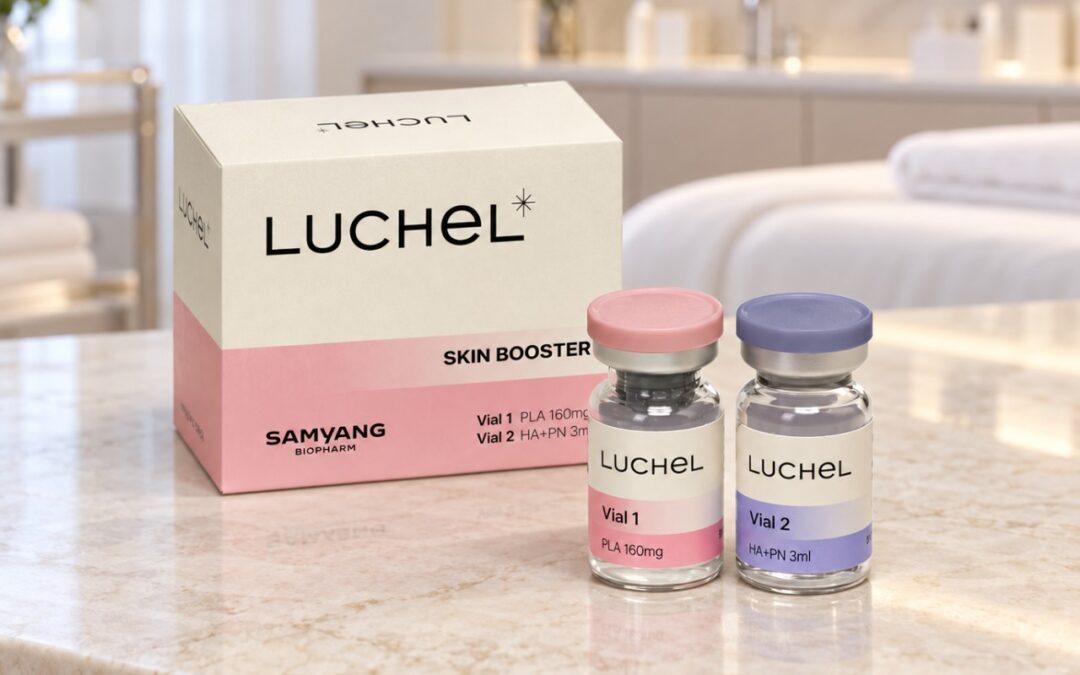
A small syringe can cause a big problem if no one checks what is inside.
The term skin booster injection covers products with different ingredients, treatment depths, purposes, and legal classifications. Some injectable skin boosters improve cheek smoothness or skin hydration. Others work more like fillers or collagen stimulators. Some skin boosters, including Luchel, are topical products that providers must never inject.
The solution starts with correct product identification. Before treatment, your provider must confirm the formula, intended use, approved treatment area, injection technique, and manufacturer instructions.
This guide explains how skin boosters work, who may qualify, what happens during treatment, and what recovery may involve. It also explains the difference between injectable products and Luchel Skin Booster, a professional topical product from DBM Aesthetics.
This article offers general education. It does not replace a medical examination, product labeling, hands-on training, clinical judgment, or state scope of practice rules.
What You’ll Learn
- What injectable skin boosters are
- How skin boosters differ from dermal filler injections
- Which skin concerns may respond to treatment
- How providers assess patients and plan treatment
- Which injection methods providers may consider
- What to expect during recovery
- Which adverse effects require urgent attention
- Why Luchel is a topical skin booster, not an injectable
What Is a Skin Booster Injection?
“Skin booster” is a marketing term, not one standard medical product category. A skin booster product may contain hyaluronic acid, polynucleotides, biostimulatory materials, or a combination of ingredients.
Injectable skin boosters generally aim to improve skin texture, hydration, elasticity, or smoothness. They usually do not create the projection or structural change you would expect from a traditional dermal filler. That difference matters when you set your skin goals.
The FDA has approved certain products for narrow indications. For example, the agency approved SKINVIVE by JUVÉDERM for intradermal injection to improve cheek smoothness in adults aged 21 and older. That approval does not apply to every product marketed as a skin booster.
The ingredients help explain why one type of skin booster may act differently from another.
Common Ingredients in Injectable Skin Boosters
Hyaluronic acid appears in many injectable skin boosters. Your body already contains hyaluronic acid naturally in the skin, joints, and connective tissues. It attracts and retains water, which makes it useful for supporting skin hydration.
Some HA skin products use noncrosslinked or lightly crosslinked formulas. Their concentration, particle size, viscosity, and tissue behavior vary. Providers must not assume that two hyaluronic acid products require the same dose or injection technique.
Other products discussed within the skin booster category may contain:
- Polynucleotides or PDRN-related materials
- Diluted calcium hydroxyapatite
- Polycaprolactone microspheres
- Poly D, L lactic acid
- Amino acids
- Peptides
- Antioxidants
- Combination formulas
Some of these materials may stimulate a gradual tissue response associated with collagen production. That does not mean every skin booster will produce new collagen and elastin. Evidence for an injected ingredient cannot automatically support claims about a different formula or a topical product.
How Skin Boosters Work
Hyaluronic acid-based boosters can bind water within selected skin layers. Increased skin hydration may give dry skin a softer and smoother appearance. It may also make fine lines caused by dehydration look less noticeable.
Certain injectable materials may interact with fibroblasts and the extracellular matrix. These effects may support skin regeneration or gradual changes in skin elasticity, depending on the product. Immediate hydration and gradual tissue responses are not the same process.
A 2024 medical review examined several types of injectable skin boosters, including their proposed mechanisms, clinical applications, injection methods, and adverse effects. The authors also identified major differences among products and study methods. Researchers still need stronger clinical trials to determine how long many skin booster results last.
Skin Boosters vs Fillers, Biostimulators, and Topical Products
Similar names can hide major differences. You need to know what the product does, where it goes, and what type of result it can realistically provide.
| Treatment category | Main purpose | Typical placement | Expected change | Key difference |
|---|---|---|---|---|
| Injectable skin booster | Improve selected skin quality features | Product-specific dermal or subdermal plane | Hydration, texture, smoothness, or elasticity | Usually does not reshape the face |
| Dermal filler | Restore volume or support facial structure | Depends on anatomy and product | Projection, contour, or fold correction | Produces a structural change |
| Injectable biostimulator | Encourages a gradual tissue response | Product and area specific | Progressive firmness or volume related change | Results develop over time |
| Mesotherapy | Deliver small amounts of selected substances | Usually superficial injection patterns | Depends on the substance | No single standard formula |
| Topical skin booster | Support surface hydration and conditioning | Applied to intact skin | Softer and more hydrated appearance | Does not enter tissue through injection |
A dermal filler can add volume, shape a facial area, or soften a fold. A skin booster treatment usually focuses on improving skin quality without major reshaping. It cannot reliably lift sagging skin or replace lost facial structure.
Mesotherapy describes a delivery method rather than one specific formula. The substances used, treatment depths, and evidence may differ. Topical products stay on the surface and do not produce the same effects as products injected into the skin.
Why Product Names Do Not Determine Technique
Two products can carry the skin booster name while requiring different placement depths, doses, and treatment schedules. Providers cannot safely copy an injection map from another product based on the name alone.
Overseas demonstrations and social media videos may show techniques that do not match U.S. product labeling or state rules. A popular online method does not become safe or lawful simply because many people share it.
Ask your provider these questions before treatment:
- What is the exact product name?
- What ingredients does it contain?
- Does its labeling support this treatment area?
- What result should I reasonably expect?
- What are the common and serious risks?
- What experience do you have with this product?
Treatment Goals, Areas, and Patient Selection
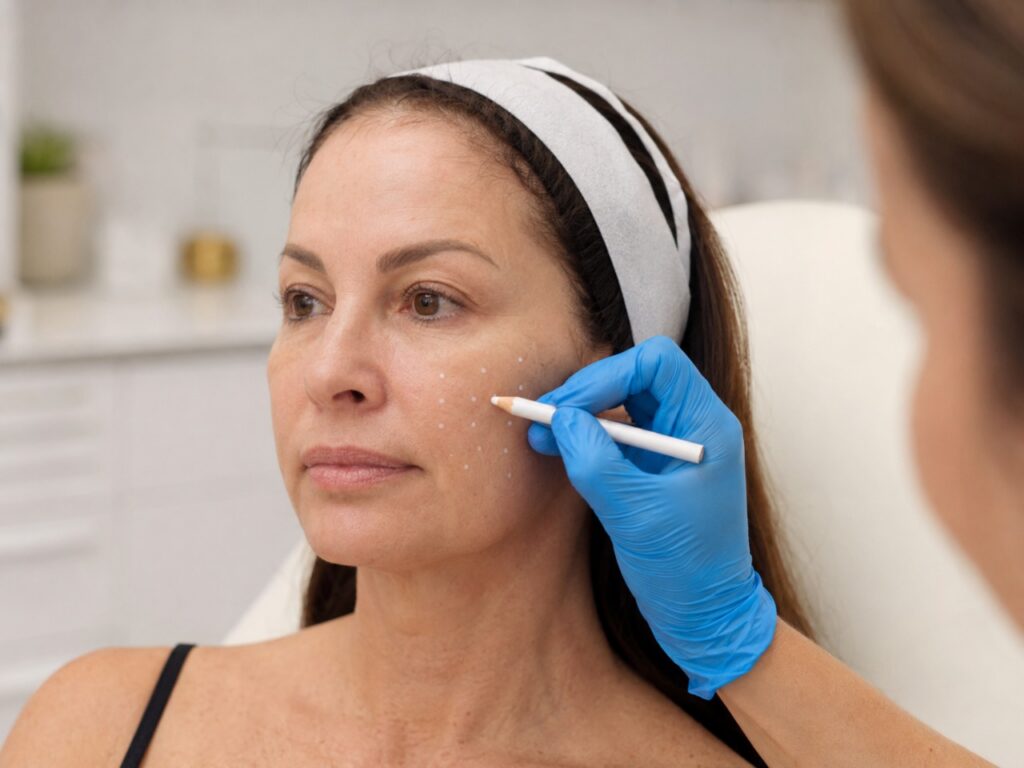
A good treatment plan connects the right product to a specific skin concern. More injections do not automatically mean better skin booster results.
Injectable skin boosters are often considered for dehydrated skin, fine surface lines, crepey texture, reduced luminosity, or early changes linked to skin aging. Some patients want to improve skin tone and texture without changing their facial shape.
Providers may discuss treatment for the cheeks, neck, décolletage, or backs of the hands. However, a product suitable for one area may not suit another. Thin tissue and vascular anatomy can change both the injection technique and the risk.
The consultation should determine whether you suit treatment or need another option.
Who May Be a Suitable Candidate?
You may qualify if you want a subtle change in overall skin quality and have realistic expectations. You should understand that results vary based on the skin booster product, your skin type, baseline skin condition, age, lifestyle, and treatment plan.
A skin booster may not suit deep folds, major volume loss, or significant skin laxity. Your provider might discuss dermal filler, resurfacing, surgery, or another therapy for skin rejuvenation when those options better match your needs.
When Treatment Should Wait
Your provider may delay or avoid skin booster injections if you have:
- An active infection or open wound
- Significant inflammation or dermatitis
- A known allergy to an ingredient
- An uncontrolled autoimmune or systemic condition
- A bleeding disorder
- Previous filler, threads, or implants that affect the proposed area
- Recent laser, peel, or energy-based treatment
- A history of severe allergic reactions or delayed nodules
- Pregnancy or breastfeeding when adequate safety data do not exist
Tell the provider about all medications and supplements. Do not stop prescribed blood thinners without speaking with the clinician who manages them.
Consultation and Skin Booster Treatment Planning
Good planning begins before anyone opens a syringe. Your provider should examine your skin, review your health history, and explain why the selected treatment fits your concern.
A complete history should cover medical conditions, allergies, medications, supplements, previous injections, dental procedures, recent illness, vaccinations, and past reactions. Tell your provider if you have a history of cold sores, especially when treatment involves susceptible facial areas.
The physical assessment should consider skin thickness, hydration, sensitivity, pigmentation, texture, inflammation, scars, and existing asymmetry. Your provider should also assess facial anatomy, previous treatments, and vascular risk areas.
Clear consent helps you understand the decision before treatment begins.
Informed Consent and Realistic Expectations
Your provider should explain:
- The exact product and its intended purpose
- Its U.S. regulatory status
- The proposed treatment area
- The expected number of sessions
- When results may appear
- How long the effects may last
- Common reactions and serious complications
- Alternative skin treatments
- Skin booster cost and maintenance expenses
The cost of skin boosters depends on the product, amount, treatment area, provider, and location. A lower price should not outweigh product authenticity, proper licensing, or clinical experience.
The clinic should take standardized photographs and document your consent. No provider can guarantee increased skin hydration, improved skin elasticity, or a fixed result duration.
Skin Booster Injection Technique and Safety Principles
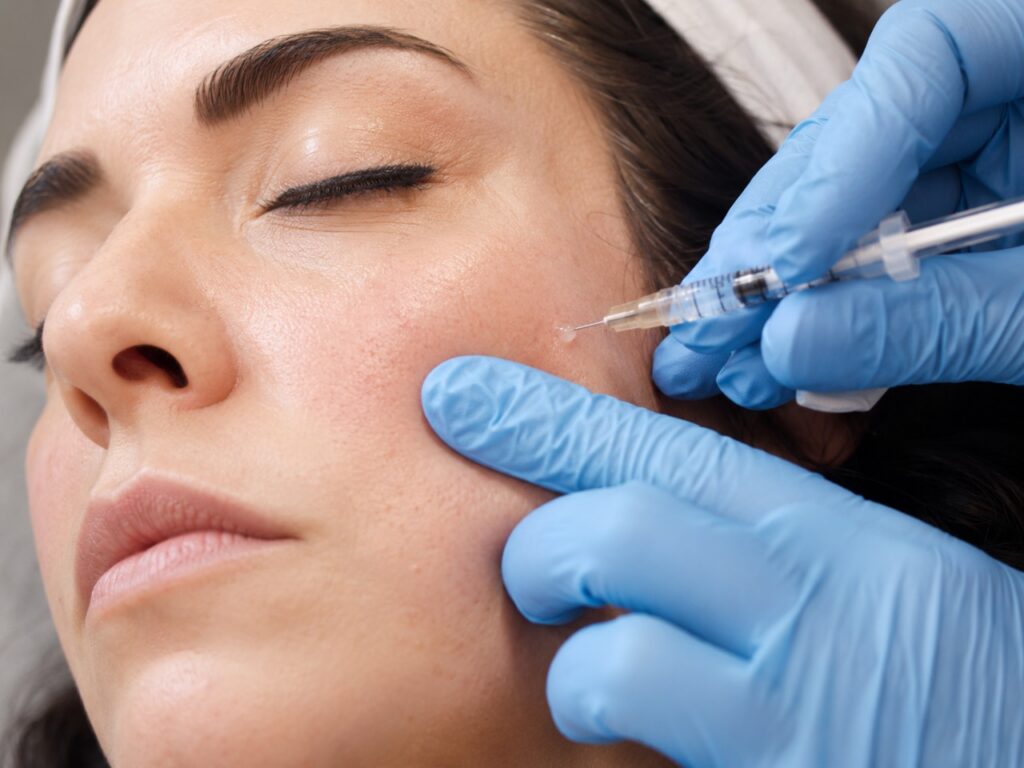
Skin booster injections require more than basic needle skills. The injector needs detailed anatomical knowledge, product training, and a clear plan for managing complications.
State rules determine who may inject, what supervision they need, and where they can perform treatment. Confirm that your provider holds the appropriate license and has experience with the specific product.
Before treatment, the provider should inspect the package, expiration date, lot number, seal, and product appearance. The clinic should follow proper hand hygiene, skin antisepsis, and sterile single-use supply protocols.
Placement depth becomes one of the most important treatment decisions.
Choosing the Correct Skin Layer
Products may require intradermal or subdermal placement. The correct plane depends on the formula, treatment area, and manufacturer instructions.
Placement too superficially into the skin may cause visible papules, persistent lumps, discoloration, or uneven texture. Placement that goes too deep may reduce the intended effect or create different risks.
Skin boosters may involve several injection approaches:
- Microdroplet placement
- Serial puncture
- Papular or bleb technique
- Linear threading
- Cross hatching
- Cannula-based delivery
- Product-specific point protocols
No universal depth, dose, needle size, or injection map applies to every skin booster. A provider must never transfer a technique from one product to another without supporting instructions and training.
Needles, Cannulas, and Clinical Records
Needles can provide precise placement but create multiple injection sites. A cannula may reduce the number of entry points, although it does not remove vascular or tissue injury risks.
Product viscosity, flow, treatment area, skin layers, and provider experience influence device selection. The manufacturer should also identify compatible needles or cannulas when relevant.
The provider should record the product, lot number, amount, device, placement plane, and treatment sites. You should leave with written aftercare instructions and a phone number for urgent concerns.
Skin Booster Recovery and Aftercare
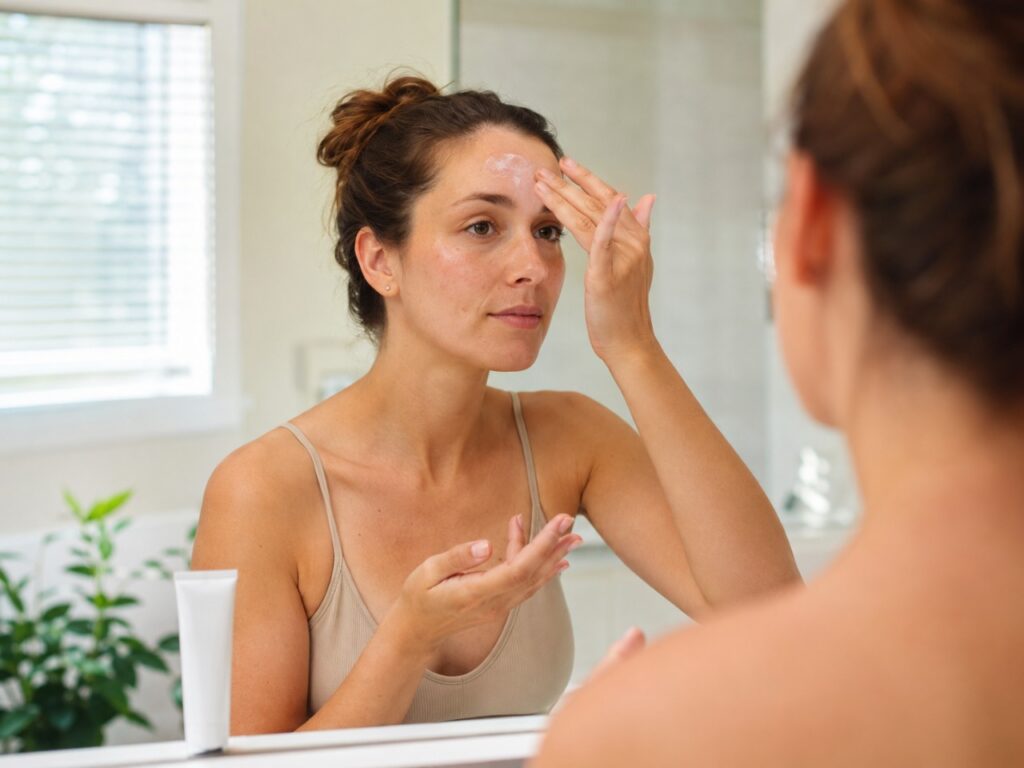
Skin booster recovery often involves small, visible changes at the injection site. Knowing what to expect can help you separate a normal response from a possible complication.
During the first 24 to 72 hours, you may notice raised papules, redness, tenderness, swelling, itching, or bruising. Temporary unevenness can occur while swelling decreases and the product settles.
Papules often improve within several days, but no single recovery schedule applies to all products. Bruising may last a week or longer. Your skin type, treatment depth, dose, and treatment area can change the timeline.
Simple aftercare can protect your skin while it settles.
What to Do After Treatment
Follow your provider’s product-specific instructions. General advice may include:
- Keep the area clean
- Avoid rubbing or massaging unless directed
- Avoid intense exercise for the recommended period
- Limit alcohol and excessive heat
- Pause retinoids, acids, and strong exfoliants
- Use gentle products for sensitive skin
- Apply broad-spectrum sunscreen
- Contact the clinic if symptoms worsen
Some patients notice early skin hydration or a smoother surface. Gradual changes may take several weeks when the product aims to stimulate a tissue response.
Skin boosters usually require maintenance if you want to preserve the effect. Claims that skin boosters can last a specific number of months should come from evidence for that exact product, not general statements about the category.
Side Effects and Warning Signs
Skin booster injections are generally described as minimally invasive, but that does not make them risk-free. Any injection can cause adverse effects.
Common temporary reactions include swelling, redness, bruising, tenderness, itching, and small bumps. These symptoms should improve rather than become more painful or pronounced.
Delayed or less common problems may include infection, persistent nodules, prolonged inflammation, pigment changes, product migration, granulomatous reactions, cold sore reactivation, and an unwanted cosmetic result.
Some symptoms need immediate medical assessment.
Signs of a Possible Vascular Complication
Seek urgent help if you develop:
- Severe or increasing pain
- White, mottled, gray, or dusky skin
- Cool skin near the injection site
- Rapidly increasing swelling
- Delayed capillary refill
- Changes in vision
- Severe headache
- Weakness, confusion, or other neurological symptoms
Accidental injection into a blood vessel can block circulation. The FDA warns that this can cause tissue death, visual impairment, blindness, or stroke. These events are uncommon, but they can cause permanent injury.
A responsible clinic should maintain a written emergency plan, appropriate supplies, referral contacts, and clear escalation procedures. Fast recognition matters when symptoms suggest more than a routine injection response.
Where Luchel Skin Booster Fits Into Professional Skin Care
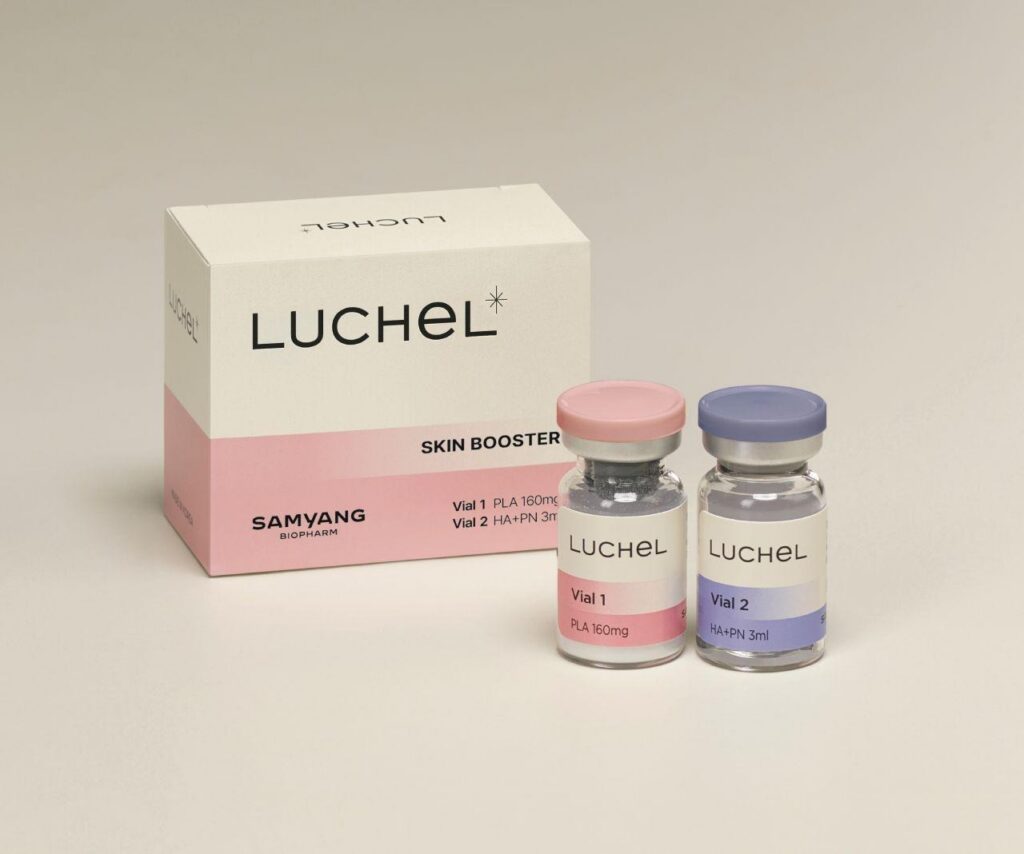
Skin boosting does not always involve an injection. Some clients want a professional hydration service without needles, swelling, or injectable product placement.
Luchel Skin Booster from DBM Aesthetics offers a topical option for skin hydration and conditioning. Luchel is not an injectable skin booster. Providers must never inject or implant it or use it as a dermal filler.
Providers should apply Luchel topically to intact skin according to its instructions. They should not introduce it through microneedling channels unless both the product and device labeling specifically allow that use.
Its formula and application method explain where it belongs in a professional skin care plan.
Luchel’s Dual Vial Formula
Luchel comes in two components that the provider mixes before topical use:
- Vial 1: 160 mg of fully solubilized mPEG PDLLA
- Vial 2: A 3 mL liquid base containing hyaluronic acid, polynucleotide, and proteoglycan
The formula does not require a specialized mixing machine. Its cosmetic role focuses on surface hydration, softness, smoothness, and a refreshed appearance.
Providers should not borrow claims from studies of injected PDLLA, polynucleotides, or hyaluronic acid. An injected ingredient interacts with tissue differently from a topical formula. Luchel should never appear in marketing as an injectable collagen stimulator.
Using Luchel in a Medical Spa
Medical spas may offer Luchel as a professional hydration service, part of a gentle facial, or an option for clients who prefer noninjectable skin hydration.
The provider should assess the skin for irritation, active infection, open areas, or recent procedures before application. The clinic should also follow storage instructions, track lot numbers, inspect packaging, and document any unexpected response.
The FDA states that authorized microneedling devices have not received approval to deliver cosmetics, gels, vitamins, drugs, or blood products into the skin. Applying a product after creating channels is not the same as applying it to intact skin.
DBM Aesthetics gives U.S. providers access to Luchel product information, intended use guidance, and ordering support. Clinics should still review the current product directions before every use.
Frequently Asked Questions About Skin Booster Injections
These answers cover common questions, but your provider should base recommendations on the exact product and your medical history.
1. Are Skin Booster Injections the Same as Dermal Fillers?
No. Injectable skin boosters generally focus on hydration, texture, smoothness, or elasticity. A dermal filler usually adds volume or structural support. Some skin boosters still fall within a filler regulatory category, so check the exact product.
2. How Long Do Skin Booster Results Last?
Results last for different periods depending on the formula, treatment area, dose, metabolism, and skin condition. Ask for evidence related to the specific product instead of relying on broad claims.
3. How Many Skin Booster Sessions Will I Need?
Some protocols use one session, while others recommend a series. Your provider should follow the product instructions and create a plan based on your skin goals.
4. Can Providers Inject Skin Boosters Under the Eyes?
Some products may suit selected patients, but the under eye area has thin tissue and complex vascular anatomy. It also tends to retain fluid. Only a properly trained provider should consider treatment with a product intended for that area.
5. Do Skin Booster Injections Hurt?
You may feel pinching, stinging, or pressure. Your comfort depends on the product, treatment area, needle size, technique, and individual sensitivity. Your provider may offer an appropriate anesthetic.
6. How Long Do Skin Booster Injection Bumps Last?
Small papules may settle within several days. Contact the clinic if they become painful, discolored, increasingly swollen, or persistent.
7. Is Luchel an Injectable Skin Booster?
No. Luchel is a professional topical skin booster. Never inject Luchel or introduce it beneath the skin.
Match the Product to the Treatment
Safe skin booster treatment starts with one basic step: identify the product before planning the procedure.
Injectable skin boosters differ in ingredients, approved uses, placement depths, techniques, recovery, and risk. A thorough consultation helps determine whether a booster, filler, resurfacing procedure, topical service, or another option fits your skin concern.
Luchel belongs in the topical category. It supports professional hydration and skin conditioning without injection. U.S. medical spas can review Luchel Skin Booster and contact DBM Aesthetics for product details, availability, intended use information, and ordering support.


