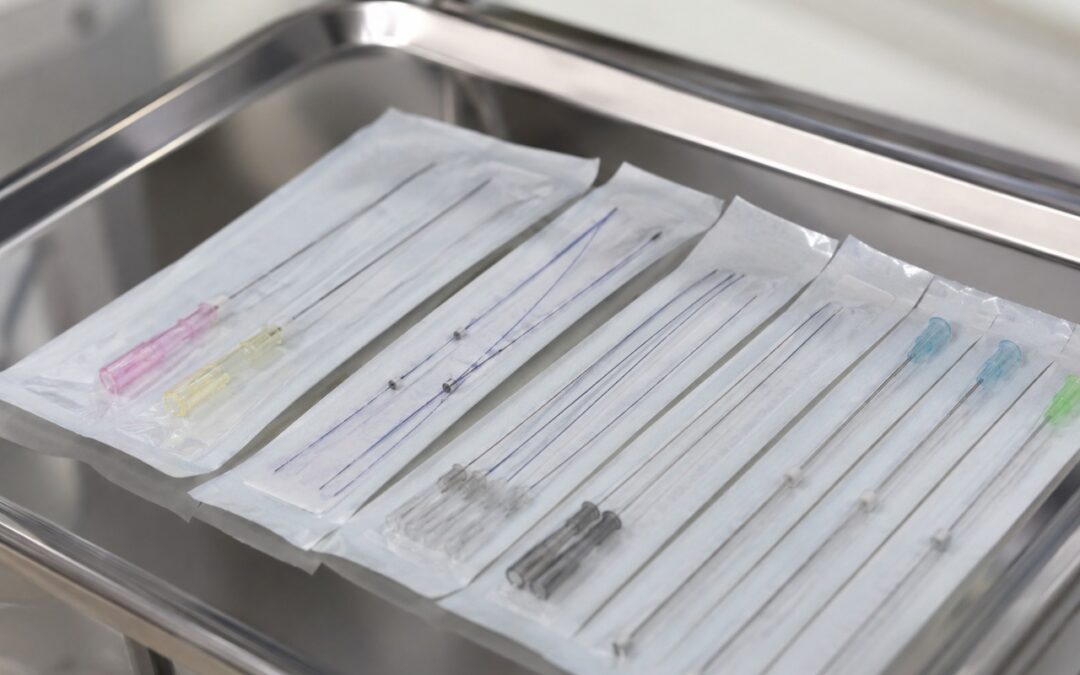
A patient comes in asking a simple question: “I want to look fresher, but I don’t want surgery. What are my options?”
It is a conversation aesthetic providers have every day. Many people notice looser skin, softer jawline definition, deeper folds around the nose and mouth, or fine lines that seem to appear overnight. They want visible improvement, but they are not ready for facial surgery or a lengthy recovery.
That is one reason PDO threads have become so widely used in aesthetic medicine. PDO thread treatment offers a minimally invasive way to create structural support beneath the skin, improve skin quality, and stimulate collagen production without surgery. While PDO threads do not replace surgical treatment, they can help providers address early to moderate age-related changes with thoughtful planning, proper technique, and appropriate patient selection.
What You’ll Learn
By the end of this article, you’ll understand:
- What PDO threads are and how they work beneath the skin
- The difference between mono threads, cog threads, screw threads, and advanced PDO thread designs
- How thread design features such as barbs, cogs, spiral configuration, and fixation support treatment planning
- How PDO threads can help support collagen production and improve skin texture
- Which treatment areas may benefit from PDO threads
- What to expect during the thread placement procedure and recovery
- Key safety considerations, contraindications, and product quality factors for providers
What Are PDO Threads?

PDO threads are absorbable sutures made from polydioxanone, a material that surgeons have used safely in medical procedures for decades. These dissolvable sutures gradually break down inside the body while supporting tissue healing and collagen formation.
Unlike traditional surgical sutures that close wounds, aesthetic PDO threads are inserted beneath the skin to support and rejuvenate targeted treatment areas. Depending on the type of thread used, they may improve skin laxity, support loose tissue, or stimulate new collagen development.
PDO threads are absorbable sutures, meaning they naturally dissolve over time. The threads typically dissolve within several months, but the collagen response they create may continue to improve skin quality long after the material disappears.
How PDO Threads Work
PDO thread treatment relies on two separate mechanisms.
First, the threads create an immediate mechanical support effect. When barbed PDO threads engage tissue beneath the skin, they can help support the skin’s texture.
Second, the body responds to the presence of the thread by producing collagen around it. This process helps stimulate collagen production, improve elasticity, and strengthen the treated areas over time.
Research has shown that absorbable barbed threads create a controlled tissue response that encourages collagen formation and dermal remodeling around the implanted suture. This response contributes to improved skin support even after the threads typically dissolve.
As new collagen develops, the skin may appear firmer, smoother, and more youthful. This regenerative effect often becomes more noticeable several weeks after treatment.
Types of PDO Threads
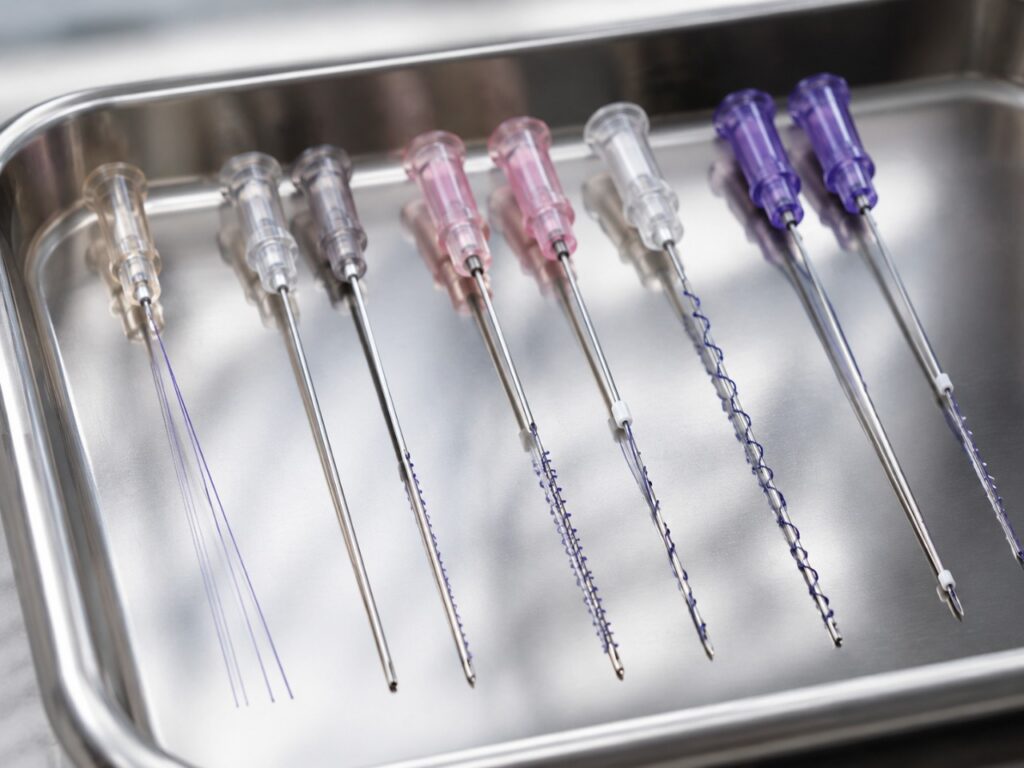
Different thread designs serve different purposes. Understanding the various types of PDO threads helps providers select the most appropriate option for each patient.
Mono Threads
Mono threads are smooth threads without barbs or cogs. Providers primarily use them to stimulate collagen and improve skin quality.
These threads are commonly placed in:
- Face and neck
- Cheeks
- Jawline
- Décolletage
- Fine wrinkle treatment areas
Mono threads create a supportive collagen matrix beneath the skin. Over time, this may improve elasticity, texture, and fine lines and wrinkles.
Mono threads often work well for patients who show early signs of aging and want gradual skin rejuvenation.
Cog Threads
Cog threads contain small barbs that anchor into tissue. These barbs grip the tissue upon placement, helping the thread stay securely in position. Barbed threads can provide greater structural support than smooth threads alone.
Common applications include:
- Midface thread placement
- Jawline contouring
- Jowl improvement
- Neck support
- Facial rejuvenation procedures without surgery
Bi-directional cogs allow the thread to engage tissue from multiple directions, helping maintain fixation and support.
Screw Threads
Some patients may benefit from additional collagen stimulation alongside their treatment plan.
Screw threads use one or more threads wrapped around the needle in a spiral configuration. This design increases the thread’s surface interaction within the tissue after placement.
Providers may use screw threads in areas where additional collagen stimulation is the goal. They work by encouraging the body’s natural collagen response over time.
Choosing the Right Thread Type
Not every patient needs the same type of thread.
Providers typically evaluate:
- Degree of skin laxity
- Facial anatomy
- Tissue thickness
- Treatment goals
- Age-related changes
A patient with mild texture concerns may benefit from smooth threads. A patient with loose skin along the jawline may require barbed PDO threads with stronger fixation. Proper consultation and assessment help determine the most appropriate treatment plan.
Advanced PDO Thread Technologies
Modern thread design continues to evolve. Manufacturing methods and thread construction can significantly influence performance during placement and tissue engagement.
Heatless Press Sculpting Technology
Traditional manufacturing methods may use heat during thread shaping. Some newer systems rely on heatless press sculpting instead.
This approach shapes the thread without exposing the material to heat. Preserving the molecular structure of polydioxanone may help maintain thread integrity and flexibility.
Potential benefits include:
- Consistent thread structure
- Improved handling characteristics
- Strong fixation performance
- Predictable absorption
Forte Basic Threads
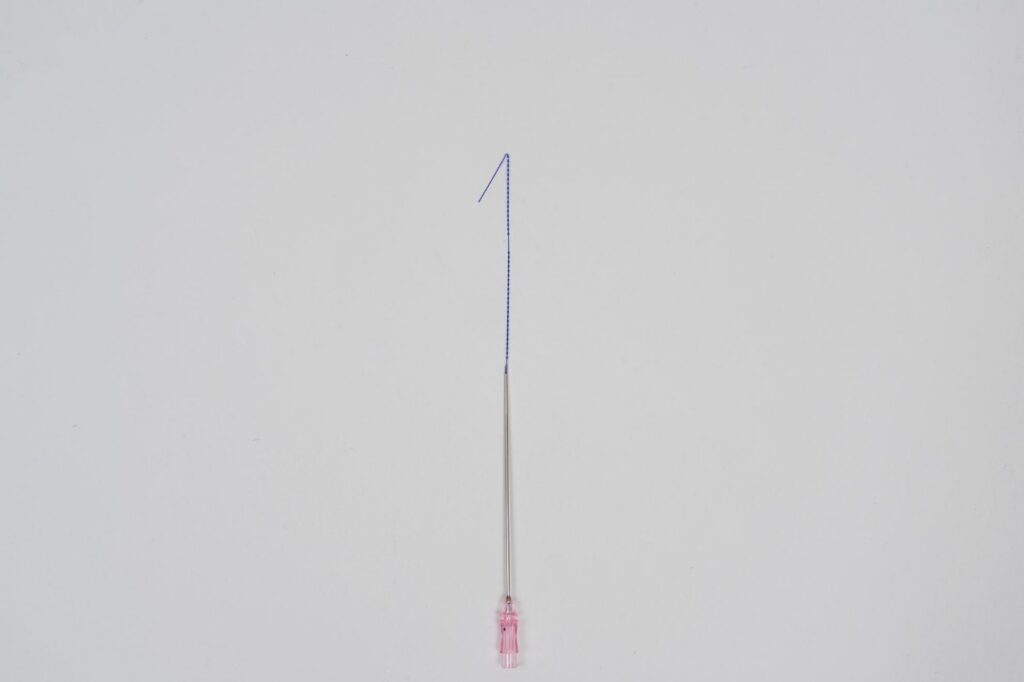
Forte Basic threads feature bidirectional cogs created using heatless press-cutting technology.
These barbed and smooth support structures are designed to provide:
- Strong fixation
- Reliable tissue engagement
- Reliable fixation performance
Providers often use Forte Basic threads in facial treatment protocols where dependable anchoring, vector control, and tissue engagement are priorities.
Forte Fix Threads
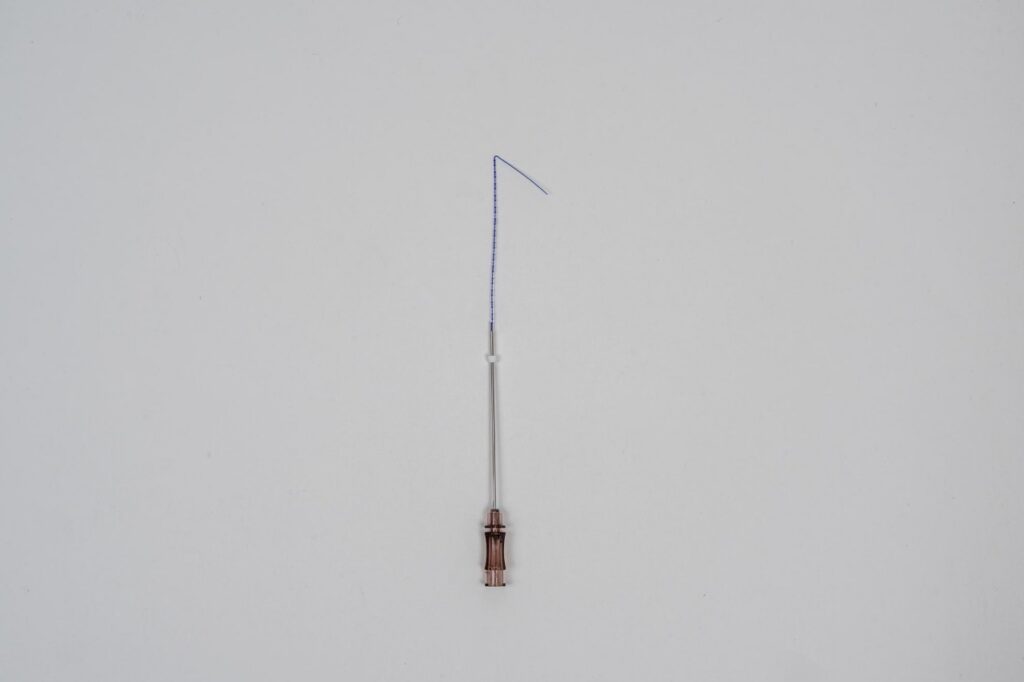
Forte Fix incorporates four-dimensional multi-bi-directional blocking technology.
This thread design focuses on:
- Enhanced traction
- Improved holding strength
- Balanced tissue support
- Secure fixation during placement
These characteristics make Forte Fix suitable for more advanced treatment protocols that require anchoring and dependable thread stability.
Elasty Line Threads
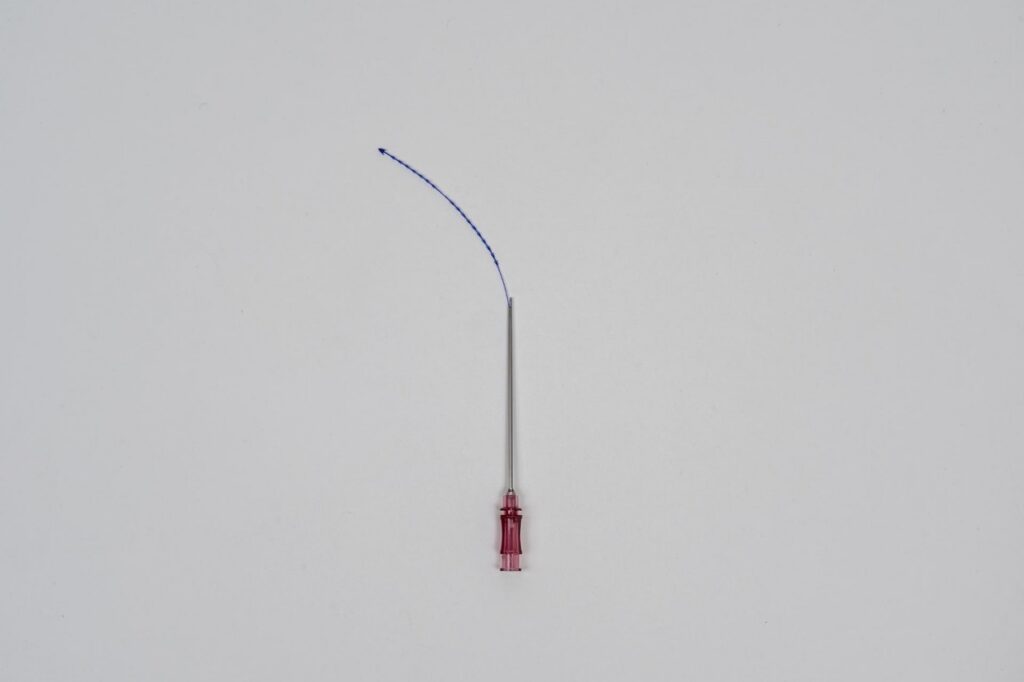
Elasty Line represents a high tensile strength PDO thread design.
Features include:
- Dual-coated PDO construction
- Deep bi-directional cogs
- Strong anchoring capability
- Enhanced fixation support
These threads may be appropriate when stronger tissue engagement, placement control, and support are required.
Common Uses of PDO Threads
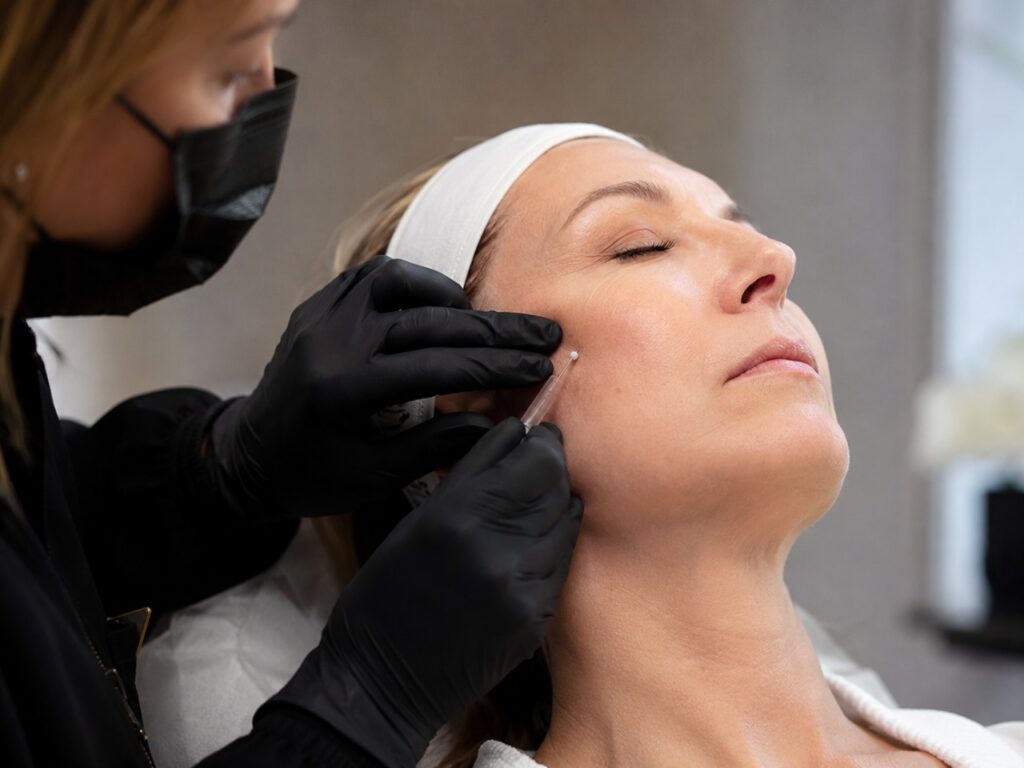
PDO thread treatment can address multiple areas of the face and neck.
Midface and Cheek Enhancement
Changes in midface support are often among the earliest visible signs of aging.
PDO threads can provide directional support in the midface and help reinforce tissue structure beneath the skin. This can support a refreshed facial appearance while preserving natural expression.
Jawline Definition
Loss of jawline definition occurs gradually as tissue support changes.
PDO threads can help reinforce selected areas along the lower face, supporting improved jawline contour and definition through strategic placement.
Jowl Improvement
Jowl concerns often develop as structural support along the lower face changes. Strategic thread placement can help support these tissues and improve facial balance.
Neck Rejuvenation
The neck often shows age-related changes before other areas. PDO threads may help improve firmness, skin texture, and mild laxity in the neck area.
Brow and Upper Face
Some patients seek subtle refinement in the brow and upper face without surgery. Carefully placed threads may provide structural support that improves the overall appearance of the upper face.
Skin Revitalization Treatments
Not every patient needs barbed threads or strong fixation.
Mono threads can target:
- Fine lines
- Crepey skin
- Texture concerns
- Reduced elasticity
Common treatment areas include the face and neck, as well as the décolletage.
Benefits of PDO Thread Treatments
Several factors contribute to the growing popularity of thread procedures.
| Benefit | Description |
|---|---|
| Immediate Support | Threads create mechanical support in selected areas |
| Collagen Stimulation | Threads stimulate collagen production over time |
| Minimal Downtime | Most patients return to routine activities relatively quickly |
| Natural Results | Gradual collagen remodeling supports subtle improvement |
| Treatment Flexibility | Multiple treatment areas can be addressed |
| Less Invasive Than Surgery | No large incision or surgical dissection required |
Immediate and Long-Term Results
Many patients notice initial improvement immediately after treatment.
Over the following weeks and months, collagen remodeling continues. This gradual improvement contributes to longer-lasting aesthetic benefits.
Clinical studies evaluating barbed thread procedures have reported improvements in facial support and patient satisfaction, supporting the role of PDO thread treatment as a minimally invasive option for selected patients with mild to moderate skin laxity.
Minimally Invasive Alternative to Surgery
A PDO thread treatment is less invasive than facial surgery.
The procedure generally uses local anesthetic and small entry points rather than large surgical incisions. This makes it appealing for patients who want facial rejuvenation but prefer a shorter recovery period.
Natural Results
Patients often prefer results that do not look exaggerated.
PDO threads support tissue along selected treatment vectors while preserving natural facial movement and expression. Proper planning helps providers create results that look refreshed rather than overdone.
Versatility Across Treatment Areas
Providers can treat several concerns during the same session.
Treatment areas may include:
- Midface
- Jawline
- Neck
- Brows
- Cheeks
- Fine wrinkle zones
Customizable Treatment Planning
Different thread types can work together within the same treatment plan.
Combining mono threads, screw threads, and cog threads allows providers to address multiple concerns simultaneously. Smooth threads may support collagen stimulation, spiral thread configurations may increase tissue interaction, and barbed threads may provide stronger fixation where needed.
What to Expect During a PDO Thread Procedure
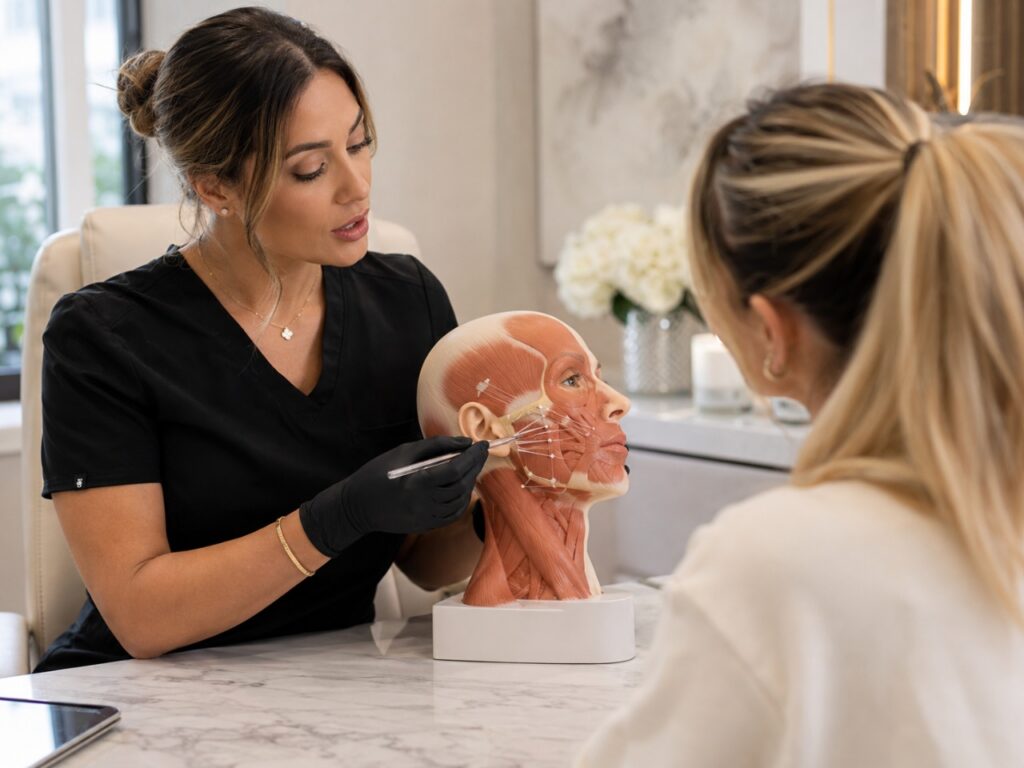
Patients often feel more comfortable when they understand the process beforehand.
Patient Consultation and Assessment
Treatment begins with a thorough consultation.
Providers review:
- Medical history
- Medications
- Previous cosmetic procedures
- Skin quality
- Degree of laxity
- Treatment goals
Realistic expectations remain essential.
The Treatment Process
After evaluation, the provider marks the treatment vectors.
A local anesthetic is typically administered before thread placement. Depending on the treatment area, providers may use needles or cannulas.
The threads are inserted into the skin and positioned beneath the skin according to the treatment plan. During placement, the provider considers thread type, entry point, vector direction, tissue thickness, and the amount of fixation needed.
Recovery and Aftercare
PDO thread recovery is generally straightforward.
Patients may experience:
- Swelling
- Bruising
- Tenderness
- Mild tightness
- Temporary irregularities
Most symptoms improve within several days.
Providers often recommend avoiding strenuous exercise, excessive facial manipulation, and certain sleeping positions during the early recovery period.
Safety Considerations and Patient Selection
Safety begins with proper patient selection.
Who May Be a Good Candidate?
Candidates for PDO typically include individuals who have:
- Mild to moderate skin laxity
- Early signs of aging
- Realistic expectations
- Interest in nonsurgical rejuvenation
Contraindications and Exclusions
PDO threads may not be appropriate for patients with:
- Pregnancy or breastfeeding
- Active infection
- Severe allergies
- Suture hypersensitivity
- Bleeding disorders
- Anticoagulant use
- Certain autoimmune conditions
- Active cancer treatment
- Permanent implants within treatment zones
Medical evaluation remains essential before proceeding.
Potential Side Effects and Risks
All cosmetic procedures involve risk.
Potential side effects include:
- Bruise formation
- Swelling
- Tenderness
- Temporary asymmetry
- Infection
- Thread visibility
- Palpable threads beneath the skin
Proper technique and training significantly reduce complication risk.
Why Product Quality and Regulatory Compliance Matter
Product quality directly affects provider confidence and patient safety.
When evaluating PDO thread products, providers should consider:
- Sterility
- Manufacturing standards
- Product traceability
- Packaging integrity
- Regulatory compliance
Manufacturing certifications such as KGMP, ISO, CE, and FDA-related standards help support quality assurance processes.
The Future of PDO Thread Technology
The thread category continues to develop as manufacturers seek stronger performance and greater predictability.
Innovations in Thread Design
Newer thread systems focus on:
- Enhanced cog structures
- Improved fixation
- Higher tensile strength
- Advanced coatings
- Better tissue engagement
These developments help providers address a broader range of treatment goals.
Growing Role in Combination Treatments
Modern aesthetic treatment plans rarely rely on a single procedure.
Providers increasingly combine PDO threads with:
- Dermal fillers
- Neuromodulators
- Laser treatment
- Medical-grade skincare
- Collagen-stimulating treatments
This approach allows treatment plans to address multiple causes of facial aging.
Frequently Asked Questions About PDO Threads
1. What are PDO threads made of?
PDO threads are made of polydioxanone, a biocompatible absorbable suture material that has been used in medicine for decades.
2. How long do PDO thread results typically last?
Results vary by patient, treatment area, and thread type. Many patients see results last from several months to more than a year, depending on collagen response and lifestyle factors.
3. What is the difference between mono threads and cog threads?
Mono threads are smooth and primarily stimulate collagen production. Cog threads contain barbs that engage tissue to provide directional support and fixation.
4. How long does a PDO thread procedure take?
Most procedures take between 30 and 60 minutes, depending on the number of treatment areas and threads used.
5. Can PDO threads be combined with dermal fillers or other treatments?
Yes. Providers commonly combine PDO threads with fillers, Botox, laser treatments, and other rejuvenation procedures.
6. How should PDO threads be stored before use?
PDO threads should remain in their original unopened packaging, protected from sunlight, humidity, and excessive temperature fluctuations. Providers should follow the manufacturer’s storage instructions at all times.
Choosing the Right PDO Threads for Better Treatment Outcomes
PDO threads offer a versatile option for patients seeking facial rejuvenation without surgery. Different types of PDO threads allow providers to address skin quality, collagen stimulation, tissue support, and treatment planning through a minimally invasive procedure.
Successful outcomes depend on proper patient selection, provider training, thread design, placement technique, and product quality. As thread technology continues to advance, practitioners have access to more specialized options with improved fixation, anchoring, and tissue engagement.
For providers, choosing high-quality PDO thread products manufactured under strict quality standards remains one of the most important steps in delivering safe, predictable, and natural-looking results. To learn more, explore DBM Corp USA’s PDO thread collection or contact our team for product support and guidance.

![ELASTY LAB – Hydrogel Collagen Mask [4 Masks/Box]](https://dbmcorpusa.com/wp-content/uploads/2026/01/elasty-lab-product-8-600x600.jpg)