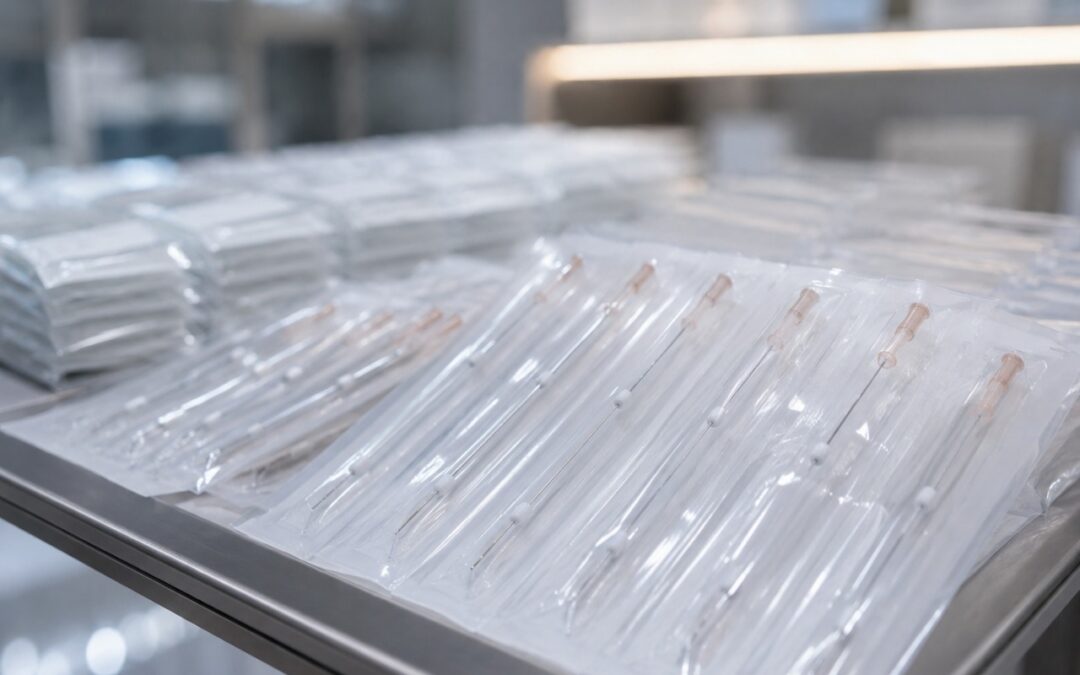
Changes in skin quality can become noticeable as collagen production gradually declines. Fine lines may appear around the mouth. The skin may feel thinner or less elastic. Texture can become uneven, and areas such as the cheeks, neck, and décolletage may no longer look as smooth or refreshed.
Smooth PDO threads offer a minimally invasive option for patients who want to support collagen production and improve overall skin quality. These absorbable threads are placed beneath the skin to create a controlled healing response. As the body responds to the threads, fibroblasts begin producing new collagen around the treated area.
Unlike threads with cogs, barbs, or anchors, smooth PDO threads are used without anchoring or repositioning tissue. Their purpose is not to move facial tissue. Instead, they are placed in a distributed pattern determined by the provider.
What You’ll Learn
By the end of this article, you’ll understand:
- What smooth PDO threads are
- Reported tissue response to PDO
- The difference between smooth threads and barbed PDO threads
- Common treatment areas
- Post-placement recovery
- Risks and side effects
- How to select high-quality PDO thread products
What Are Smooth PDO Threads?
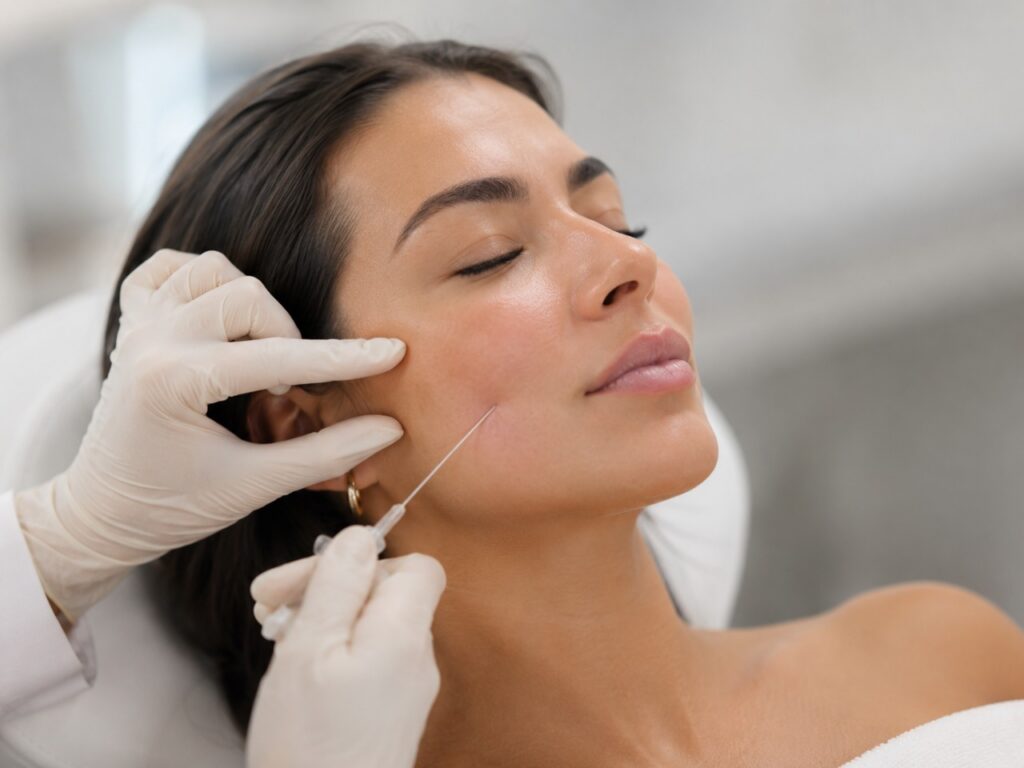
Smooth PDO threads are absorbable sutures made from polydioxanone, commonly known as PDO. This synthetic material has been used in medical procedures for decades because it gradually breaks down inside the body.
In aesthetic medicine, smooth PDO threads are placed beneath the skin using a fine needle or cannula. Implanted absorbable polymers elicit a local tissue response.
The threads do not contain cogs, barbs, or anchors. Their smooth structure allows providers to place multiple threads in a planned pattern based on the patient’s skin concerns and treatment goals.
Smooth threads are commonly selected when a patient wants to address:
- Fine lines
- Uneven skin texture
- Reduced elasticity
- Thinning skin
- Crepey skin
- Early collagen decline
- Dull or tired-looking skin
The treatment is often used as part of a broader skin rejuvenation plan and may be paired with injectables, microneedling, radiofrequency, or laser procedures.
Understanding PDO Thread Technology
PDO threads were developed from absorbable sutures used in medical and surgical procedures. Physicians have relied on polydioxanone because it has a predictable absorption process and an established medical history.
Once placed beneath the skin, PDO material begins interacting with the surrounding tissue. The body recognizes the thread and initiates a healing response around it. Fibroblasts become active and begin producing collagen, one of the proteins responsible for skin strength, structure, and elasticity.
Research published through the U.S. National Library of Medicine suggests that PDO thread treatments can stimulate fibroblast activity, an important part of collagen formation.
The thread gradually dissolves through a natural process called hydrolysis. Water inside the body breaks the PDO material down into compounds that can be safely processed and eliminated.
Although the thread itself is temporary, the collagen formed around it may remain after the material has dissolved. This is why changes in skin quality often develop gradually and may continue for several months.
What Makes a Thread “Smooth”?
A smooth PDO thread is made from a straight filament without textured projections.
This design separates it from threads that contain barbs, cogs, cones, or anchors. Smooth threads are not intended to grip or move tissue. They are placed along a planned path without engaging or repositioning tissue.
Providers may place several smooth threads in a grid, mesh, or crosshatch pattern. The exact placement depends on the treatment area, skin condition, and desired level of collagen support.
Because the threads are thin and flexible, they can be used in delicate areas where improving skin quality is the main objective.
Types of PDO Threads
Several smooth PDO thread configurations are available. Each design may be chosen for a different treatment area or clinical objective.
Mono Threads
Mono threads consist of a single smooth filament.
They are commonly used to support collagen production and improve the appearance of fine lines, uneven texture, and thinning skin. Providers may place multiple mono threads throughout an area to create an even treatment pattern.
Mono threads may be used on the:
- Cheeks
- Forehead
- Neck
- Décolletage
- Area around the mouth
- Abdomen
- Upper arms
- Knees
Multi Strand Threads
Multi-strand threads contain several smooth filaments arranged together.
This design creates more thread material within the treatment area, which may produce a broader tissue response. Providers may select multi-strand threads for larger areas or for patients who need additional collagen support.
Screw Threads
Screw threads have a coiled or twisted configuration.
Their shape allows more thread material to be placed within a concentrated area. They may be selected when the treatment goal includes supporting skin density or addressing a localized area of collagen decline.
The most appropriate thread design depends on the patient’s anatomy, skin condition, treatment area, and provider technique.
How Smooth Threads Stimulate Collagen Production
The main benefit of smooth PDO threads comes from the body’s response after placement.
When a thread is inserted beneath the skin, the body begins a controlled healing process. Fibroblasts gather around the thread and produce collagen as part of that response.
Over time, collagen develops along the path of the thread. This may help improve the structure and quality of the surrounding skin.
The collagen response may contribute to:
- Smoother skin texture
- Improved elasticity
- Greater skin density
- Softer-looking fine lines
- More even skin quality
- A refreshed appearance
Results do not come from the thread acting as a permanent implant. They come from the biological activity that occurs while the thread is present.
Additional Tissue Responses
Collagen receives the most attention, but it is not the only component involved in the treatment response.
PDO thread placement may also encourage activity involving:
- Elastin
- Fibroblasts
- Local circulation
- Tissue hydration
- Extracellular matrix production
Elastin helps skin return to its original shape after movement. The extracellular matrix provides structural support around skin cells and connective tissue.
Together, these processes may contribute to gradual changes in texture, elasticity, and overall skin appearance.
Individual results vary. Age, genetics, sun exposure, smoking, skin condition, and lifestyle habits can all affect the body’s collagen response.
What Happens as PDO Threads Dissolve?
PDO threads are temporary and gradually dissolve inside the body.
The exact absorption period depends on the thread’s thickness, design, placement, and the patient’s individual metabolism. Many PDO threads dissolve over several months.
During this period, collagen develops around the thread. As the PDO material breaks down, the newly formed collagen matrix remains within the tissue.
Patients may continue noticing changes even after the threads have dissolved because collagen remodeling does not happen immediately. It develops gradually as the tissue responds and matures.
This process is one reason smooth PDO thread results should be evaluated over several months rather than immediately after treatment.
Smooth Threads vs. Cog Threads: Understanding the Difference
Not all PDO threads serve the same purpose.
Smooth threads are created without cogs, barbs, or anchors. They are selected when the clinical goal is collagen stimulation and improved skin quality.
Other thread designs contain textured sections that interact with the surrounding tissue differently. Because their structures and intended uses are not the same, providers should select products based on the treatment objective rather than treating all PDO threads as interchangeable.
| Feature | Smooth PDO Threads | Textured PDO Threads |
|---|---|---|
| Surface | Straight and smooth | Contains cogs, barbs, or anchors |
| Primary Purpose | Collagen stimulation | Structural tissue support |
| Common Goals | Texture, elasticity, density, and fine lines | Depends on thread design and treatment plan |
| Placement Pattern | Often placed in grids or crosshatch patterns | Placed according to structural objectives |
| Number of Threads | Often several threads per area | Varies by product and procedure |
| Results | Develop gradually through collagen production | Depend on product design and technique |
Product selection should be based on patient anatomy, skin quality, medical history, and realistic treatment expectations.
Common Treatment Areas for Smooth PDO Threads
Smooth threads may be used in facial and body areas where collagen decline, thinning skin, or uneven texture is a concern.
Cheeks
The cheeks may develop changes in texture and elasticity as collagen production decreases.
Smooth threads can be placed throughout the cheek area to encourage collagen formation and support more even-looking skin.
Around the Mouth
Repetitive facial movement and collagen decline can contribute to fine lines around the lips and mouth.
Smooth threads may be used in carefully planned patterns to address skin texture without adding filler volume.
Under Eye Area
The skin beneath the eyes is thin and delicate. It may develop crepiness, fine lines, or reduced elasticity.
Experienced providers may use smooth threads in this area for carefully selected patients. Precise placement is especially important because of the anatomy surrounding the eyes.
Forehead
Smooth threads may be placed in the forehead to support collagen production and address fine texture changes.
This treatment does not work in the same way as a neurotoxin. Neurotoxins reduce muscle activity, while smooth threads focus on the skin’s collagen response.
Neck and Décolletage
The neck and upper chest are commonly affected by sun exposure, thinning skin, and collagen decline.
Smooth PDO threads may help improve the appearance of crepey texture and fine lines in these areas over time.
Abdomen
Changes related to age, weight fluctuation, or pregnancy may affect abdominal skin quality.
Smooth PDO threads may be used to encourage collagen production in targeted areas where texture and elasticity are concerns.
Upper Arms
The upper arms may develop thinner or crepey-looking skin.
Smooth thread treatment can be used as part of a collagen support plan for this area.
Knees and Inner Thighs
The skin around the knees and inner thighs may show textural changes as collagen and elastin decrease.
Providers may use smooth threads to encourage gradual improvements in skin density and appearance.
Who Is a Good Candidate for Smooth Threads?

Smooth PDO threads may be appropriate for adults who want gradual skin quality improvements without surgery.
Potential candidates may be concerned about:
- Fine lines
- Early collagen decline
- Uneven texture
- Crepey skin
- Reduced elasticity
- Thinning skin
- Dull skin appearance
- Changes caused by aging or sun exposure
Patients should have realistic expectations. Smooth threads are not designed to create dramatic or immediate changes. Results depend on the body’s natural collagen response and develop over time.
A consultation is necessary to determine whether smooth threads are appropriate for a patient’s skin condition and medical history.
When Smooth Threads May Not Be Appropriate
Smooth PDO threads are not suitable for every patient or every concern.
Treatment may not be recommended for patients with:
- Active skin infections
- Inflammation in the treatment area
- Certain bleeding disorders
- Poor wound healing
- Some autoimmune conditions
- Unrealistic expectations
- Known sensitivity to treatment materials
- Medical conditions that interfere with healing
Pregnant or breastfeeding patients may also be advised to postpone elective aesthetic procedures.
Providers should complete a medical history review and skin assessment before recommending treatment.
What to Expect During a Smooth Thread Procedure
A smooth PDO thread appointment generally begins with a consultation and treatment plan.
Consultation
The provider reviews the patient’s:
- Medical history
- Current medications
- Allergies
- Previous aesthetic procedures
- Skin condition
- Areas of concern
- Desired outcome
The provider then determines the appropriate thread type, number of threads, and placement pattern.
Preparation
The treatment area is cleansed, and a topical or local anesthetic may be used to improve comfort.
The provider marks the planned treatment area before beginning the procedure.
Thread Placement
Smooth threads are inserted beneath the skin using fine needles or cannulas.
The number of threads varies based on the size of the area, the thread design, and the treatment plan. Several threads may be placed in a grid or crosshatch pattern to distribute thread placement throughout the area.
Most appointments take approximately 30 to 60 minutes, although treatment time varies.
Recovery and Downtime
Recovery after smooth PDO thread placement is usually brief, but every patient responds differently.
Common temporary reactions may include:
- Swelling
- Tenderness
- Bruising
- Redness
- Mild discomfort
- Sensitivity at insertion points
These reactions often improve within several days.
Patients should follow all aftercare instructions provided by their practitioner. Recommendations may include avoiding strenuous exercise, excessive heat, alcohol, and pressure on the treated area for a specified period.
Patients should contact their provider if they experience increasing pain, unusual swelling, signs of infection, or any other unexpected symptoms.
Results Timeline and Longevity
Smooth thread results develop gradually because collagen production takes time.
Some patients may notice early changes in skin texture within several weeks. More noticeable collagen-related improvements may develop over two to six months.
A typical timeline may include:
- Initial healing during the first several days
- Early skin quality changes within several weeks
- Continued collagen production over two to six months
- Gradual development of texture and elasticity improvements
Results vary based on age, skin condition, treatment area, thread quantity, product design, and the patient’s natural healing response.
How Long Can Results Last?
The duration of results varies from patient to patient.
Many patients notice improvements for approximately 12 months, although results may last longer or shorter depending on:
- Age
- Genetics
- Skin condition
- Sun exposure
- Smoking
- Nutrition
- Treatment area
- Number of threads
- Thread configuration
- Collagen production
- Skin care habits
Maintenance treatments may be recommended based on the patient’s response and long-term goals.
Providers should avoid promising a specific duration because biological responses differ.
Combining Smooth Threads With Other Aesthetic Treatments
Smooth PDO threads may be incorporated into a broader aesthetic treatment plan.
Dermal Fillers
Dermal fillers add volume and shape to selected facial areas.
Smooth threads do not replace volume. Their purpose is to encourage collagen production and improve skin quality. A provider may recommend both treatments when a patient has concerns involving volume and texture.
Neurotoxins
Neurotoxins reduce muscle activity that contributes to expression lines.
Smooth threads address different concerns, including collagen decline, fine texture changes, and reduced elasticity. Combining the treatments may allow providers to address multiple concerns through separate mechanisms.
Microneedling
Microneedling creates controlled microchannels that encourage the skin’s healing response.
Both microneedling and smooth threads support collagen production, but they work at different tissue depths and use different techniques.
Radiofrequency Treatments
Radiofrequency procedures deliver controlled energy to selected layers of tissue.
A provider may recommend radiofrequency and smooth threads at different stages of a treatment plan, depending on skin condition and treatment timing.
Laser Treatments
Laser procedures may address pigmentation, fine lines, texture, and sun-related changes.
Treatment order and spacing are important when combining laser procedures with PDO threads. Providers should develop a schedule that allows proper healing between appointments.
Safety Considerations and Product Quality
Smooth PDO thread treatment should be performed by a qualified medical professional with training in facial anatomy, sterile technique, product selection, and complication management.
Although most reactions are temporary, possible risks may include:
- Bruising
- Swelling
- Tenderness
- Infection
- Inflammation
- Temporary skin irregularities
- Visible or palpable threads
- Thread migration
- Prolonged discomfort
- Uneven results
Proper patient selection, sterile technique, correct placement depth, and appropriate aftercare can help reduce risk.
Patients should receive clear information about expected reactions, potential complications, and when to contact the provider.
Why PDO Thread Quality Matters
The quality of the PDO thread can affect handling, placement consistency, sterility, and treatment reliability.
Providers should evaluate:
- Raw material quality
- Thread consistency
- Needle quality
- Sterility
- Packaging integrity
- Manufacturing controls
- Regulatory compliance
- Product traceability
- Storage requirements
- Supplier support
A thread that varies in thickness, strength, or attachment may affect the treatment process. Reliable manufacturing helps providers use products with greater consistency across procedures.
Choosing the Right Smooth Thread Partner
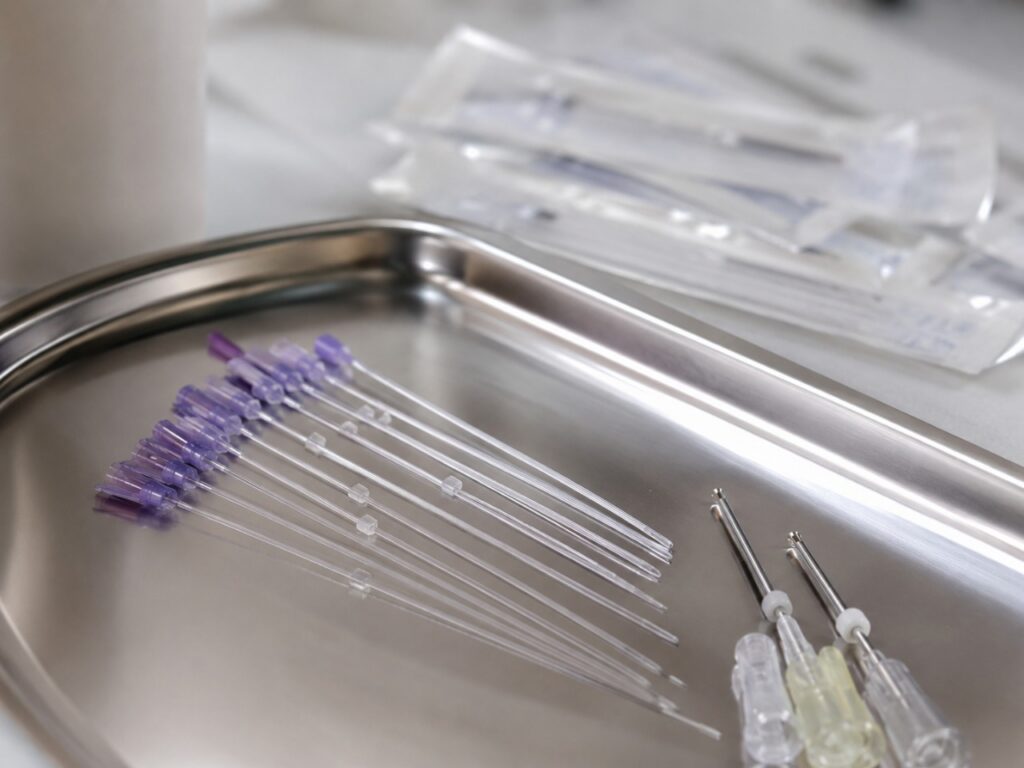
Product selection matters just as much as technique.
Providers should evaluate manufacturing expertise, quality systems, clinical support, and regulatory compliance before selecting a supplier.
DongBang Medical Aesthetics USA serves as the U.S. subsidiary of Dongbang Medical, a global medical device manufacturer founded in South Korea in 1985. Through decades of experience and international distribution, Dongbang Medical has established rigorous quality systems across its product portfolio.
We focus on bringing globally manufactured PDO thread solutions to U.S. providers while maintaining high standards for safety, quality, and compliance.
Frequently Asked Questions About Smooth PDO Threads
1. What are smooth PDO threads used for?
Smooth PDO threads are used to encourage collagen production and support improvements in skin texture, elasticity, density, and the appearance of fine lines.
2. Do smooth PDO threads contain barbs or cogs?
No. Smooth threads are made from straight filaments without barbs, cogs, cones, or anchors.
3. How long does it take to see results?
Some patients notice early skin quality changes within several weeks. Collagen production may continue for two to six months.
4. How long do smooth PDO thread results last?
Results often remain noticeable for approximately 12 months, although the duration varies based on the patient’s age, skin condition, lifestyle, treatment area, and collagen response.
5. How many smooth threads are used during treatment?
The number varies depending on the treatment area, thread configuration, skin condition, and treatment goals. Providers determine the appropriate quantity during consultation.
6. Can smooth PDO threads be combined with dermal fillers?
Yes. Dermal fillers address volume, while smooth threads support collagen production and skin quality. A qualified provider can determine whether combining them is appropriate.
Explore Premium Smooth PDO Thread Products
Smooth PDO threads provide medical aesthetic professionals with a minimally invasive method for encouraging collagen production and addressing changes in skin quality.
Their smooth design does not contain cogs, barbs, or anchors. Instead, the threads create a controlled healing response that may support gradual improvements in texture, elasticity, density, and the appearance of fine lines.
Results develop over time as the body produces collagen around the threads. Proper patient selection, accurate placement, qualified providers, and reliable products are essential for safe and consistent treatment.
DongBang Medical Aesthetics USA supplies PDO thread solutions manufactured according to established quality standards. Medical professionals seeking dependable thread products can review the available options and contact the DongBang Medical Corp USA team for product information and support.